Table of Contents – Korea weather in January
Click on the city you’re curious about to see Korea weather in January
Korea weather in January / what to wear in January in Korea is one of the most important things to check before planning a winter trip. January is the heart of winter in Korea, so travelers should expect cold mornings, dry air, and frequent temperature drops below freezing, especially in inland areas. Even when the sky is clear, the wind can make the weather feel colder than the thermometer suggests.
In general, January brings the deepest winter conditions of the season. Northern and inland cities tend to feel sharper and drier, while southern cities are a little milder during the day, though still cold enough for proper winter clothing. If you are wondering about Korea weather in January / what to wear in January in Korea, the safest answer is warm layers, a solid winter coat, and accessories like scarves and gloves.
Korea weather in January – Incheon
Windy Coastal Winter with Strong Cold Spells
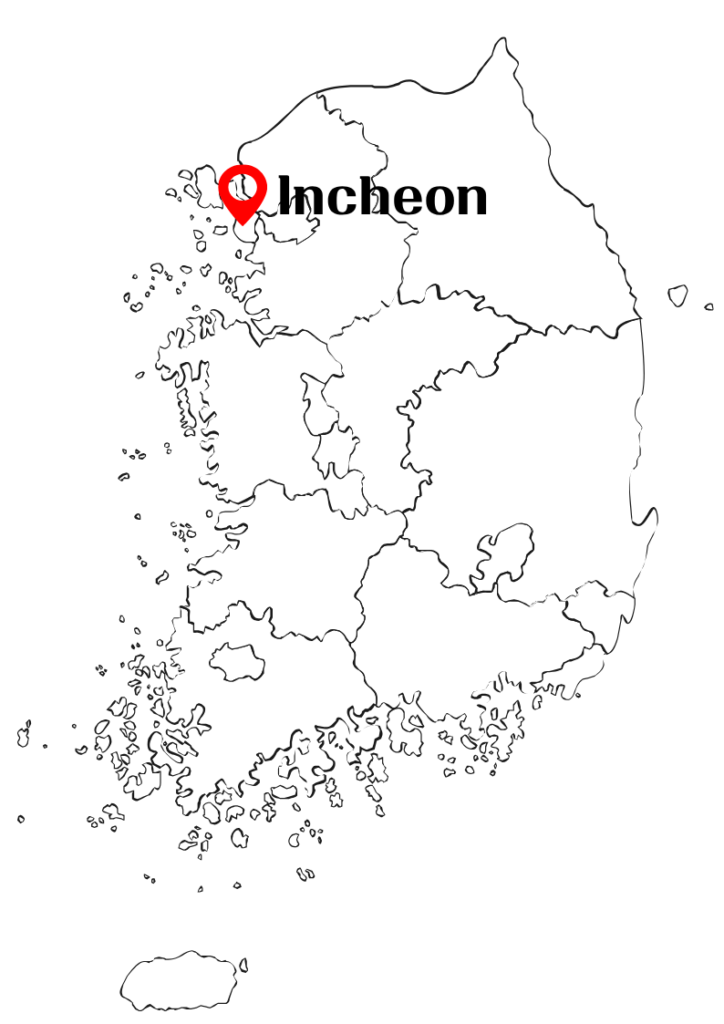
Incheon is located on the northwestern coast of Korea, so it is directly affected by cold winter winds coming in from the northwest. Even though it sits near the sea, its northern location keeps temperatures low compared with many southern cities. The wind often makes the cold feel stronger than the actual number on the forecast. January in Incheon can feel especially sharp for travelers who are not used to coastal winter air.
Week 1
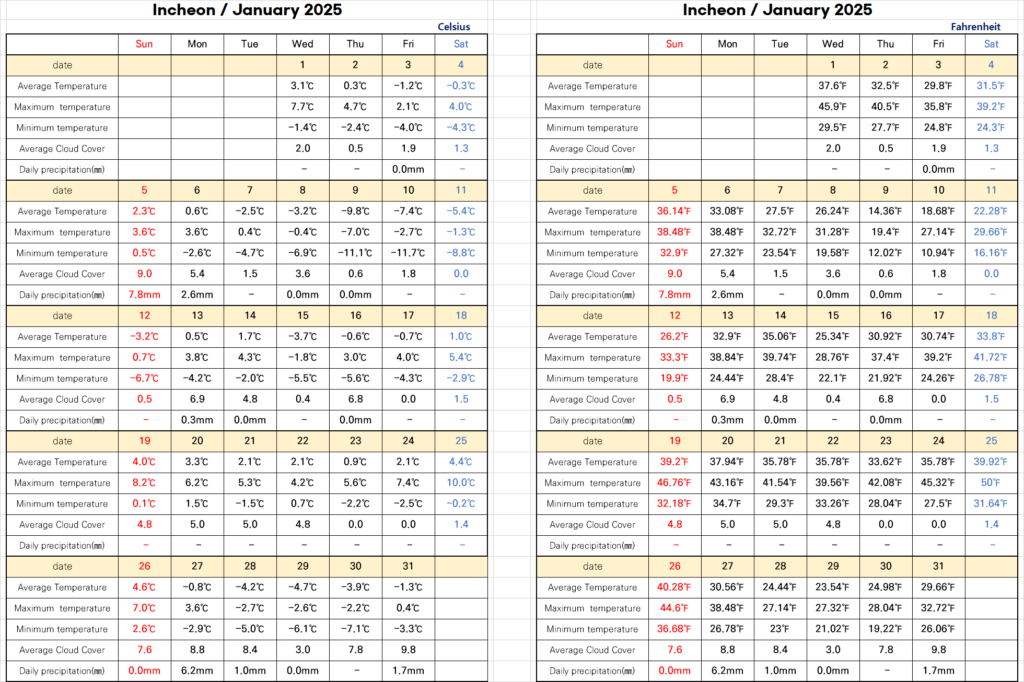
The month opened with cold coastal weather and a slightly damp feeling at times. The highest temperature reached 7.7°C (45.9°F), while the lowest dropped to -4.3°C (24.3°F). Rainfall was recorded with 7.8mm and 2.6mm between January 5 and 6. The combination of wet air and sea wind made the week feel colder than expected for sightseeing.
Week 2
The second week brought the harshest cold spell of the month to Incheon. The highest temperature reached 3.6°C (38.5°F), while the lowest plunged to -11.7°C (10.9°F). No major rainfall was noted during this sharp freeze. Outdoor travel felt intensely cold, especially in the morning, and winter protection became essential.
Week 3
Conditions became a little less severe from the middle of the month. The highest temperature reached 5.4°C (41.7°F), while the lowest fell to -6.7°C (19.9°F). Rainfall was not a major feature during this week. The air still felt wintry and biting, but daytime outings were a little easier than during the previous week.
Week 4
The fourth week felt comparatively milder, especially in the afternoon. The highest temperature reached 10.0°C (50.0°F), while the lowest dropped to -2.5°C (27.5°F). Rainfall remained limited during this period. The weather felt more manageable for travel, though the coastal wind still made evenings feel quite cold.
Week 5
The final stretch of the month turned colder again as January came to an end. The highest temperature reached 7.0°C (44.6°F), while the lowest fell to -7.1°C (19.2°F). Rainfall was light and mostly concentrated earlier in the broader month rather than heavily at the end. The overall feeling was dry, cold, and brisk, especially for anyone near the waterfront.
Summary & What to Wear in January in Korea (Incheon)
Incheon in January is cold, windy, and often feels harsher than travelers first expect because of the coastal air. The sharpest cold usually comes during major winter dips, especially in the second week. A long padded coat, thermal innerwear, gloves, and a scarf are highly recommended here. Windproof outerwear is especially important if you plan to spend time near the sea or around open streets.
Common Traveler Q&A for Incheon
Q: Does being near the sea make Incheon colder?
A: Yes, the wind can make the city feel much colder than the actual air temperature, so wind-resistant clothing helps a lot.
Q: Does it snow a lot in Incheon in January?
A: Based on the provided monthly pattern, the weather showed more light rain than major snow events, though winter conditions were still very cold.
Q: Is Incheon better for indoor travel in January?
A: On the coldest days, many travelers may prefer indoor places like shopping malls, cafés, or museums.
Korea weather in January – Daejeon
Dry Inland Winter with Big Daily Temperature Gaps
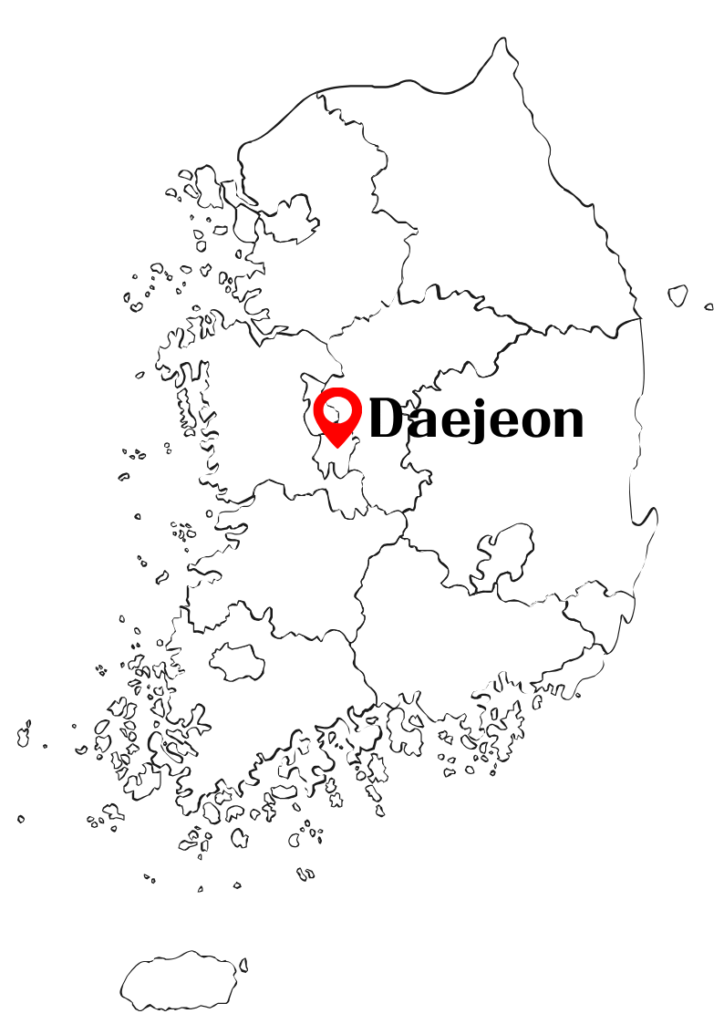
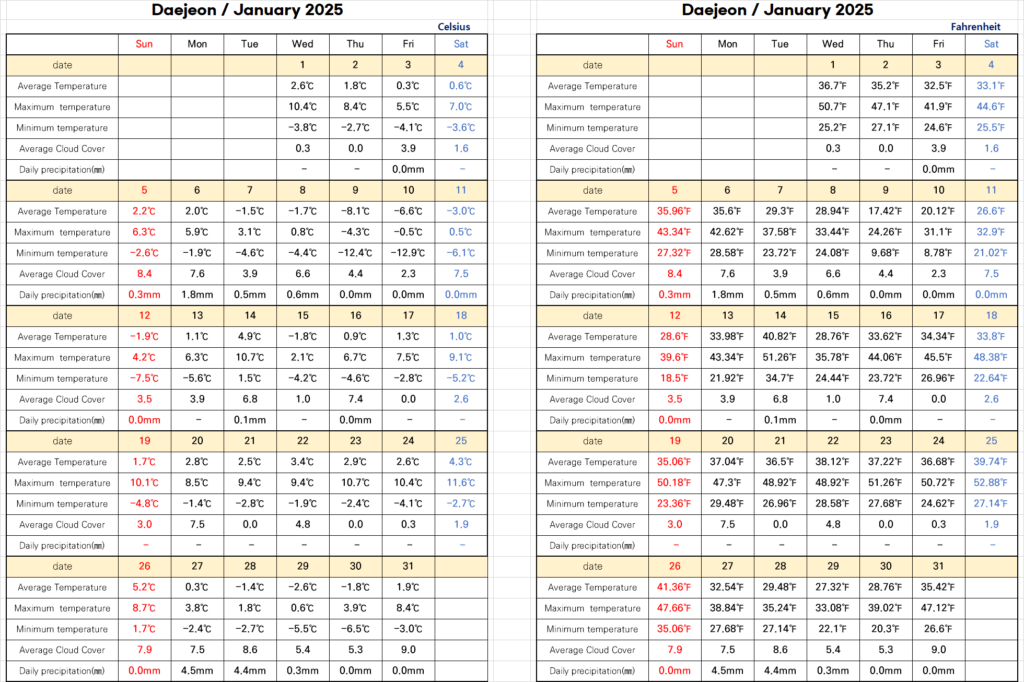
Daejeon is located in central inland Korea and has a classic inland winter climate. Compared with coastal cities, it often has larger daily temperature swings and drier weather. Winter skies are often clear, but the mornings can be brutally cold. January in Daejeon feels very seasonal, with a strong contrast between frozen early hours and brighter daytime conditions.
Week 1
The first week felt cold but not at its harshest yet. The highest temperature reached 10.4°C (50.7°F), while the lowest dropped to -4.1°C (24.0°F). Light precipitation appeared between January 5 and 8, though rainfall remained minor overall. The week felt dry and crisp, with cold mornings but some relatively comfortable daytime sunshine.
Week 2
The second week brought the strongest cold of the month to Daejeon. The highest temperature reached 6.3°C (43.3°F), while the lowest plunged to -12.9°C (8.8°F). Rainfall was not a major part of this week’s weather pattern. The air felt extremely cold at dawn and after sunset, making proper winter clothing essential.
Week 3
Temperatures began to recover a little after the mid-month cold spell. The highest temperature reached 10.7°C (51.3°F), while the lowest dropped to -7.5°C (18.5°F). Rainfall stayed very limited during this stretch. Daytime travel felt much easier under the sun, though the cold still returned quickly once the light faded.
Week 4
The fourth week was one of the more comfortable parts of the month in daytime hours. The highest temperature reached 11.6°C (52.9°F), while the lowest fell to -4.8°C (23.4°F). Rainfall remained low through most of the week. The weather felt brighter and more travel-friendly in the afternoon, even though winter mornings stayed cold.
Week 5
The end of January became chillier again with some unsettled weather. The highest temperature reached 8.7°C (47.7°F), while the lowest dropped to -6.5°C (20.3°F). Rainfall appeared near the end of the month, adding a slightly colder dampness to the air. The overall feeling was still dry by winter standards, but less comfortable than the previous week.
Summary & What to Wear in January in Korea (Daejeon)
Daejeon in January is strongly shaped by inland winter patterns, with very cold mornings and clearer, brighter afternoons. The most important thing here is not just the cold itself, but the daily temperature gap. A padded coat or thick wool coat works well, especially with layered sweaters or thermal tops underneath. Because the air is dry, lip balm, hand cream, and hydration are also useful for winter travel.
Common Traveler Q&A for Daejeon
Q: Is Daejeon too cold for sightseeing in January?
A: Early mornings are very cold, but daytime can still be pleasant enough for walking when the sun is out.
Q: Does Daejeon get a lot of snow in January?
A: The provided weather pattern suggests more dry and clear winter weather than major snowy periods.
Q: What should I bring because of the dry weather?
A: Lip balm, moisturizer, and hand cream are very helpful because inland winter air can feel extremely dry.
Korea weather in January – Jeonju
Classic Winter Travel Weather with Occasional Wet Cold
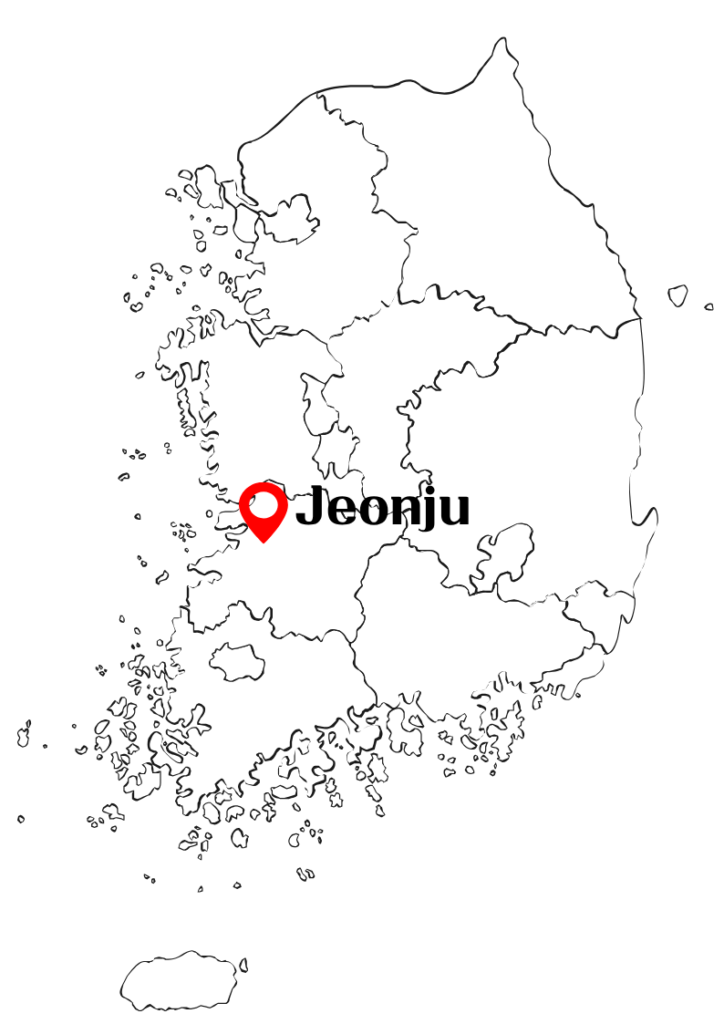
Jeonju is located in the southwestern inland plain area and usually has cold winter weather without being the coldest city in the country. Because of regional weather patterns, it can sometimes see more noticeable precipitation than some other inland cities. That can make the cold feel wetter and heavier, especially toward the end of the month. January in Jeonju is still fully wintery, but it sometimes feels softer in the afternoon than northern inland cities.
Week 1
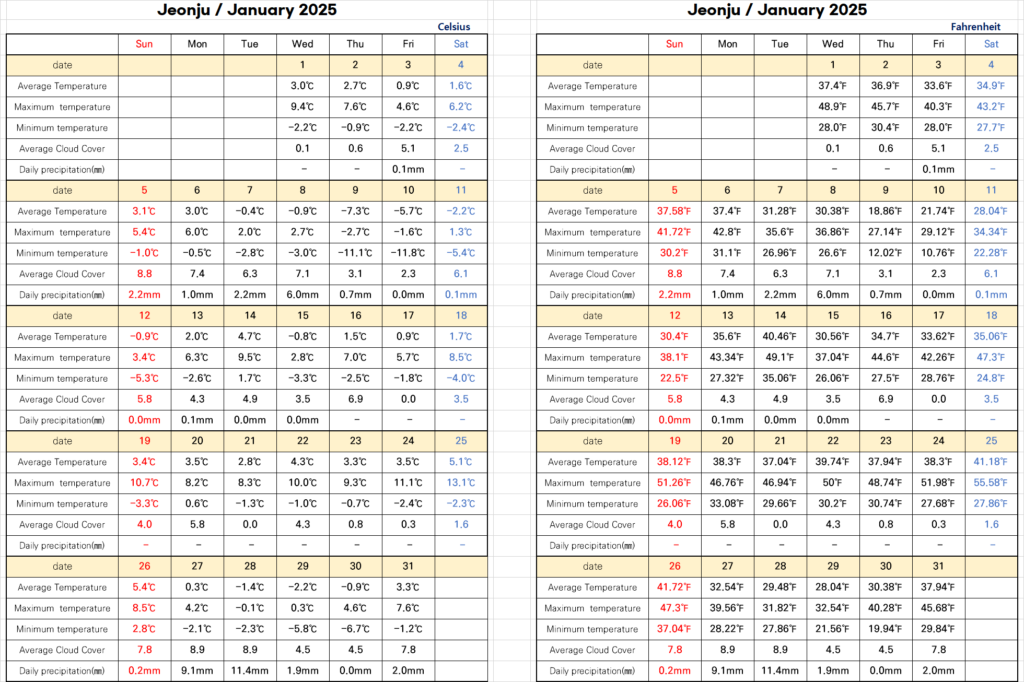
The month began with cold but fairly typical winter weather for Jeonju. The highest temperature reached 9.4°C (48.9°F), while the lowest dropped to -3.0°C (26.6°F). Rainfall was recorded at 6.0mm on January 8. The air felt chilly but manageable, though the wet weather made the end of the week feel colder.
Week 2
The second week brought a powerful cold spell across the city. The highest temperature reached 2.7°C (36.9°F), while the lowest fell to -11.8°C (10.8°F). Rainfall was not a major feature during the main freeze. Travel felt quite harsh at the coldest point, especially in the morning and late evening.
Week 3
Mid-month brought some recovery in daytime conditions. The highest temperature reached 9.5°C (49.1°F), while the lowest dropped to -5.3°C (22.5°F). Rainfall remained limited during this week. The general feeling was cold but calmer, with brighter afternoons that were easier for walking around outdoor attractions.
Week 4
The fourth week felt notably milder during the daytime. The highest temperature reached 13.1°C (55.6°F), while the lowest dropped to -3.3°C (26.1°F). Rainfall stayed relatively low during this stretch. The weather briefly gave a softer and lighter feeling, even though winter cold still returned in the mornings.
Week 5
The final week turned wetter again and brought back a more uncomfortable winter chill. The highest temperature reached 8.5°C (47.3°F), while the lowest dropped to -6.7°C (19.9°F). More than 10mm of rain fell between January 27 and 28. The damp air made the cold feel heavier, especially for travelers spending long hours outdoors.
Summary & What to Wear in January in Korea (Jeonju)
Jeonju in January is cold overall, but what stands out most is the mix of winter dryness and occasional wet spells. The end of the month can feel especially chilly when rain is added to already low temperatures. Warm socks, insulated shoes, and a winter coat are very useful, especially because Jeonju is a city where many travelers walk outdoors. A water-resistant outer layer can also help if you plan to explore the Hanok Village on rainy or snowy days.
Common Traveler Q&A for Jeonju
Q: Is January too cold for wearing hanbok in Jeonju?
A: It can be cold, but many travelers still enjoy hanbok experiences by wearing thermal inner layers underneath.
Q: Should I bring an umbrella in Jeonju in January?
A: Yes, that is a good idea, especially toward the end of the month when rainfall can be more noticeable.
Q: Is Jeonju pretty in winter?
A: Yes, Jeonju can look very atmospheric in winter, especially around traditional streets, though travelers should watch out for slippery paths in wet or snowy conditions.
Korea weather in January – Gwangju
Relatively Mild Southern Winter with Cool Mornings
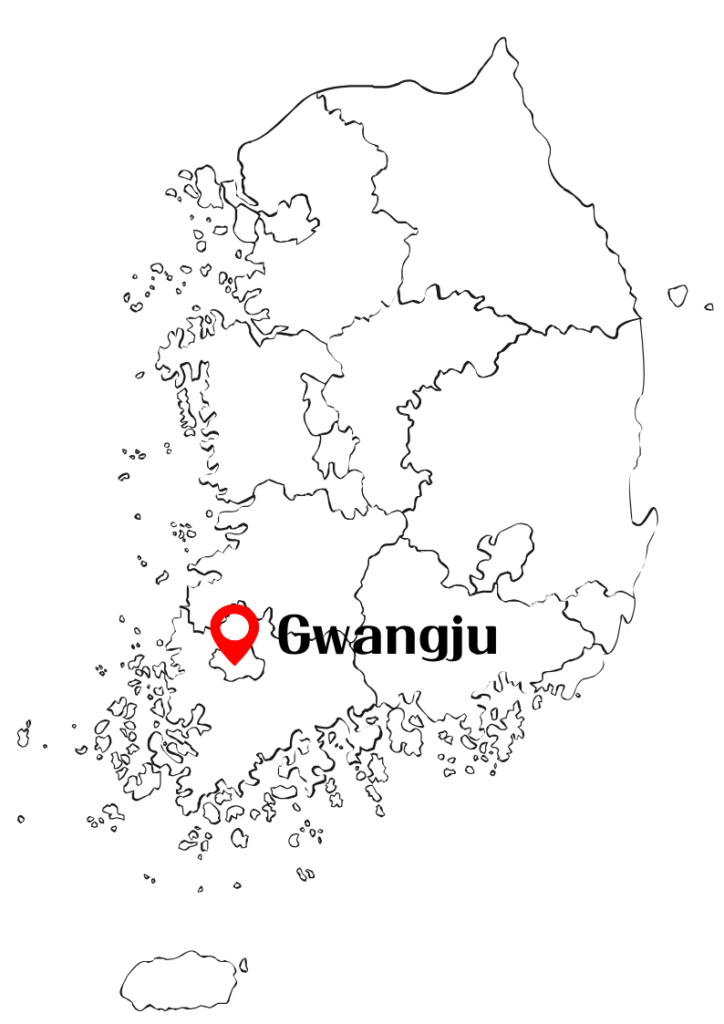
Gwangju is a major city in the southwest and usually feels milder than colder northern or central cities in January. Its lower latitude helps daytime temperatures stay a bit more comfortable, especially later in the month. Even so, mornings can still drop well below freezing, so it is not a light-jacket season. January in Gwangju often feels like a gentler version of Korean winter rather than a warm one.
Week 1
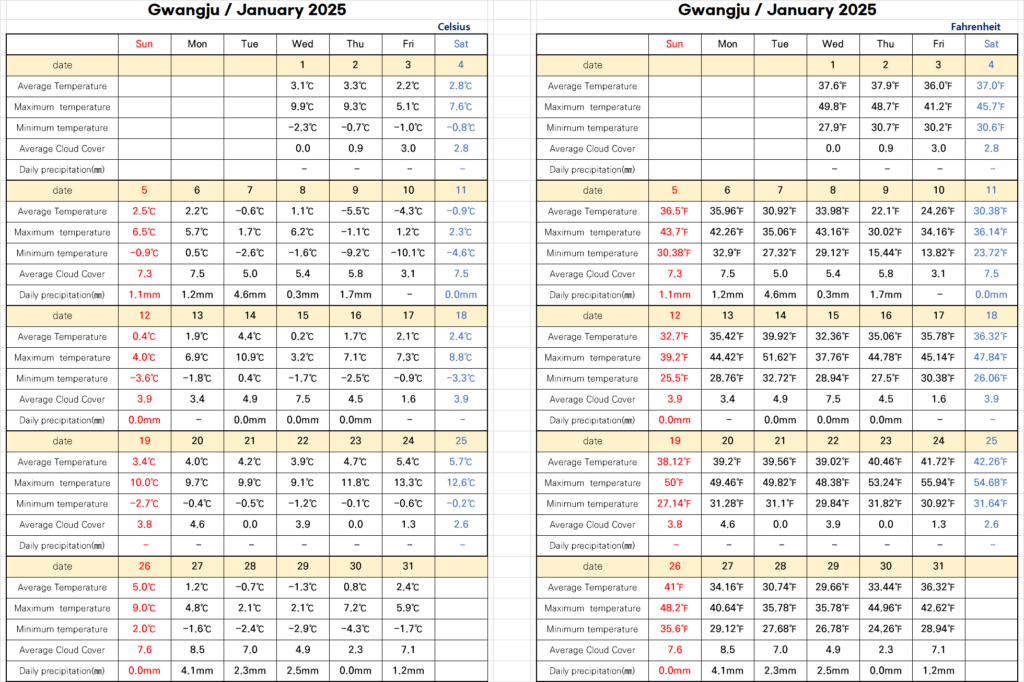
The month opened with cool but fairly manageable winter weather. The highest temperature reached 9.9°C (49.8°F), while the lowest dropped to -2.6°C (27.3°F). Rainfall of 4.6mm was recorded on January 7. The overall feeling was chilly but not extreme, with a softer winter atmosphere than many northern cities.
Week 2
The second week brought colder air, though the freezing period was shorter than in some other regions. The highest temperature reached 6.2°C (43.2°F), while the lowest fell to -10.1°C (13.8°F). Rainfall was not a major part of the week’s pattern. The weather felt properly wintry, but daytime conditions still recovered better than in harsher inland areas.
Week 3
Mid-month weather became brighter and somewhat milder. The highest temperature reached 10.9°C (51.6°F), while the lowest dropped to -3.6°C (25.5°F). Rainfall remained limited during this period. The sunny afternoons felt pleasant for winter travel, even though the early morning air stayed cold.
Week 4
The fourth week was one of the mildest stretches of the month. The highest temperature reached 13.3°C (55.9°F), while the lowest fell to -2.7°C (27.1°F). Rainfall stayed low through the week. The city felt relatively comfortable by January standards, especially in the brightest part of the day.
Week 5
The final week remained fairly gentle for mid-winter. The highest temperature reached 9.0°C (48.2°F), while the lowest dropped to -4.3°C (24.3°F). Rainfall was light and not a dominant feature at the end of the month. The air still felt cold in the morning, but overall travel stayed easier than in many colder Korean cities.
Summary & What to Wear in January in Korea (Gwangju)
Gwangju in January is still wintery, but it often feels less severe than cities farther north. The afternoons can be surprisingly comfortable, especially later in the month, though mornings still call for proper winter clothing. A coat or light padded jacket is often enough for many travelers, especially with a sweater underneath. A scarf is a smart extra layer because indoor and outdoor temperatures can feel very different.
Common Traveler Q&A for Gwangju
Q: Is Gwangju one of the warmer cities in Korea in January?
A: Yes, compared with places like Incheon or Daejeon, Gwangju often feels a bit milder during the day.
Q: Does it rain a lot in Gwangju in January?
A: Rain can appear lightly at the beginning or end of the month, but it is usually not a major feature.
Q: Can I hike Mudeungsan in January?
A: Yes, but mountain conditions are much colder than city-level weather, so proper winter hiking gear is necessary.
Korea weather in January – Daegu
Dry Basin Winter with Cold Nights and Milder Afternoons
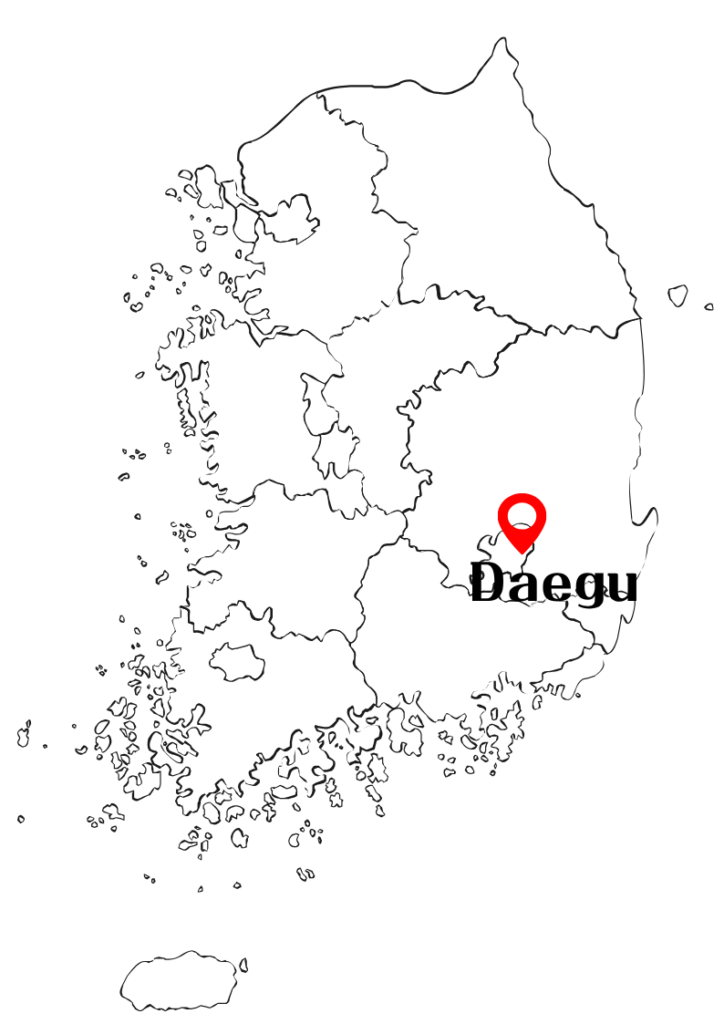
Daegu is located in a basin in southeastern Korea, and although it is famous for summer heat, winter there can still feel quite cold. Basin geography tends to trap cold air at night, while sunshine can help daytime temperatures rise more noticeably than travelers expect. This creates a strong pattern of cold mornings, dry air, and brighter afternoons. January in Daegu often feels dry and clear, with a winter rhythm that changes sharply between day and night.
Week 1
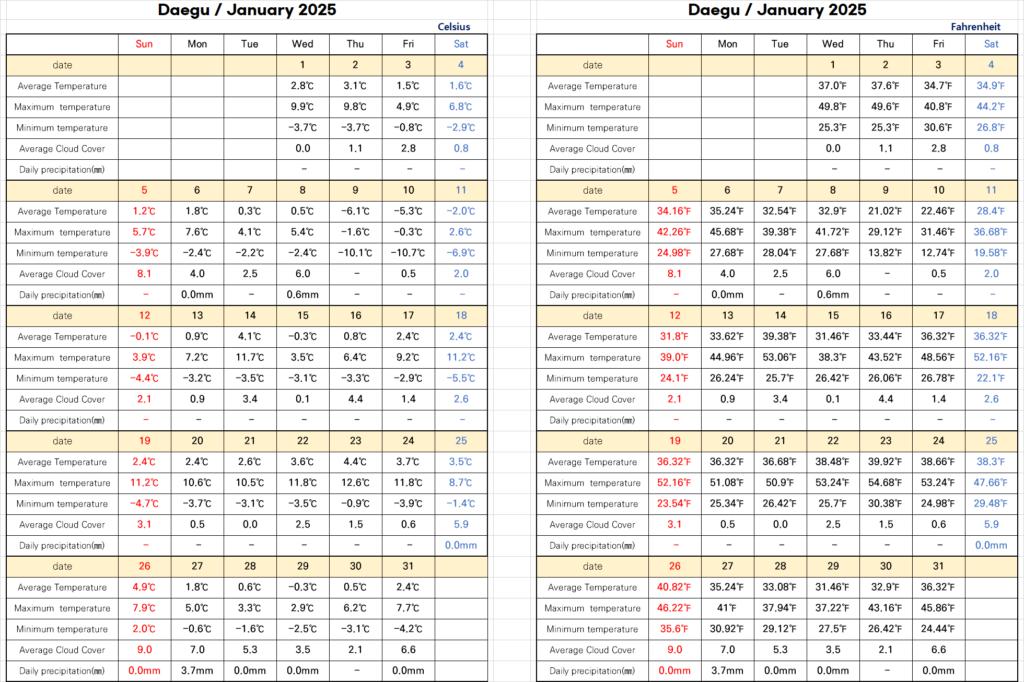
The first week was dry and mostly clear, with a typical inland basin winter feeling. The highest temperature reached 9.9°C (49.8°F), while the lowest dropped to -3.7°C (25.3°F). Rainfall was minimal and not a major part of the week. The weather felt crisp and dry, with cold mornings but some pleasant sunlight in the afternoon.
Week 2
The second week brought a strong cold wave, though daytime temperatures still stayed above freezing. The highest temperature reached 7.6°C (45.7°F), while the lowest fell to -10.7°C (12.7°F). Rainfall remained very limited during this period. The air felt sharply cold at night and early in the day, but the sun made midday feel less severe.
Week 3
Mid-month brought one of the milder daytime periods of the month. The highest temperature reached 11.7°C (53.1°F), while the lowest dropped to -5.5°C (22.1°F). Rainfall stayed very low through the week. The weather felt dry and bright, and daytime sightseeing became more comfortable than earlier in the month.
Week 4
The fourth week continued the pattern of mild afternoons and cold nights. The highest temperature reached 12.6°C (54.7°F), while the lowest fell to -4.7°C (23.5°F). Rainfall was still minimal in this stretch. Travelers could feel relatively warm in the sun during the day, but winter returned quickly once evening came.
Week 5
The final week closed the month with the same dry winter mood, aside from one light rain event. The highest temperature reached 7.9°C (46.2°F), while the lowest dropped to -4.2°C (24.4°F). Rainfall of 3.7mm was recorded on January 27. The city still felt overall dry and manageable, though the chilly air remained very noticeable after sunset.
Summary & What to Wear in January in Korea (Daegu)
Daegu in January is dry, bright, and sharply divided between cold nights and more comfortable afternoons. Many travelers are surprised that winter there can still feel quite cold, even if midday sun softens the experience. Layering works very well here, especially with a coat on top and lighter clothing underneath that can adapt to daytime warmth. Because the air is so dry, carrying water and using lip balm can make winter travel much more comfortable.
Common Traveler Q&A for Daegu
Q: Is Daegu warm in winter because it is famous for hot summers?
A: Not really. January can still be cold, especially at night and in the early morning, even if afternoons sometimes feel milder.
Q: Why does Daegu feel so dry in January?
A: Its basin geography and winter weather pattern often bring very dry conditions with little precipitation.
Q: What is a useful item to bring for Daegu in winter?
A: A reusable water bottle, lip balm, and moisturizing products are very helpful because the dry air can be uncomfortable.



Korea weather in January / what to wear in January in Korea depends a lot on the city, but every destination in this guide shows a real winter pattern. Incheon feels sharper because of coastal wind, Daejeon is dry and strongly inland, Jeonju mixes cold air with occasional wet weather, Gwangju is a little milder, and Daegu has the classic dry basin contrast between freezing mornings and sunnier afternoons. For most international travelers, the best strategy is to dress warmly, use layers, and prepare for colder mornings than expected.
This has been Seoul Mate Lenny, sharing a closer look at Korea’s weather across different cities. I hope this guide helps anyone planning a trip to Korea better understand the climate and prepare for their journey.