
June in South Korea marks the shift from late spring into early summer, and in 2025 it arrived with warmer-than-usual temperatures across the country. During Korea weather in June / what to wear in June in Korea, travelers can expect hot afternoons, rising humidity, and a noticeable seasonal turning point as jangma (the monsoon front) begins to influence conditions later in the month. Early June often feels bright and summery, but by the third and fourth weeks, many places become stickier and wetter, especially in the south and on the islands. Packing breathable summer outfits plus a small rain kit is the best way to stay comfortable as the weather shifts.
Table of Contents
Click on the city you’re curious about to see the June weather.
Korea weather in June – Seoul
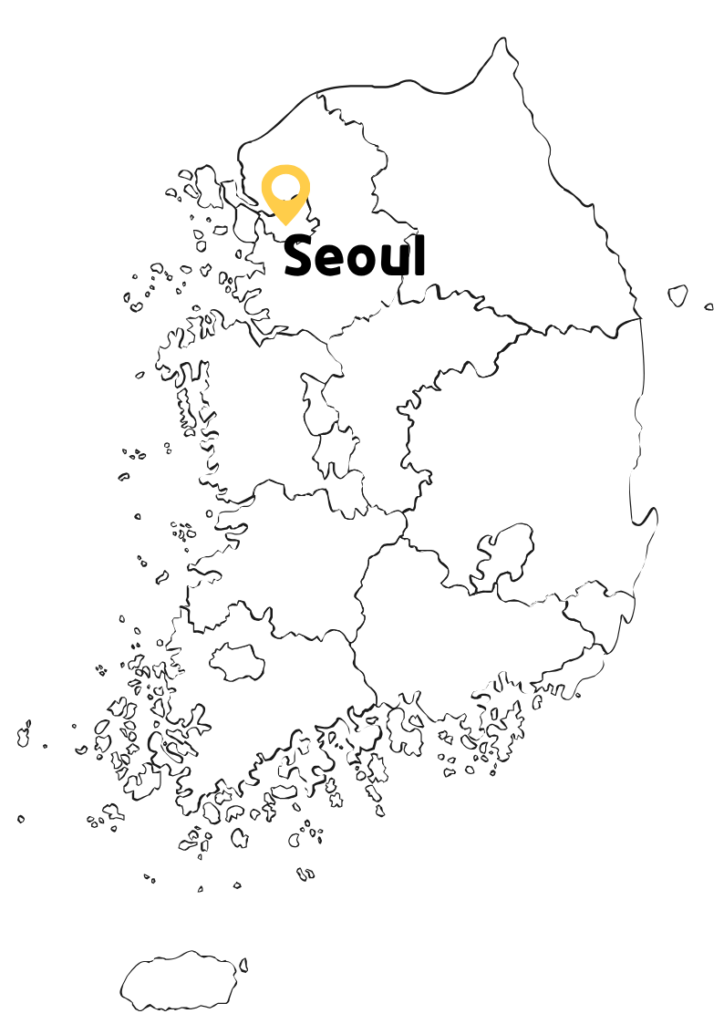
Seoul – Early Heatwaves and Late-Month Monsoon Rains
Seoul sits in the northwestern inland region of the peninsula, and its basin-like geography intensifies summer heat once temperatures rise. The city’s dense buildings create a strong urban heat island effect, which means warm air tends to linger, especially at night. Early June may start slightly cooler than southern destinations, but the warming trend is fast and noticeable. By late June, Seoul often turns humid as monsoon rains begin arriving more regularly.
Week 1 (June 1–7)
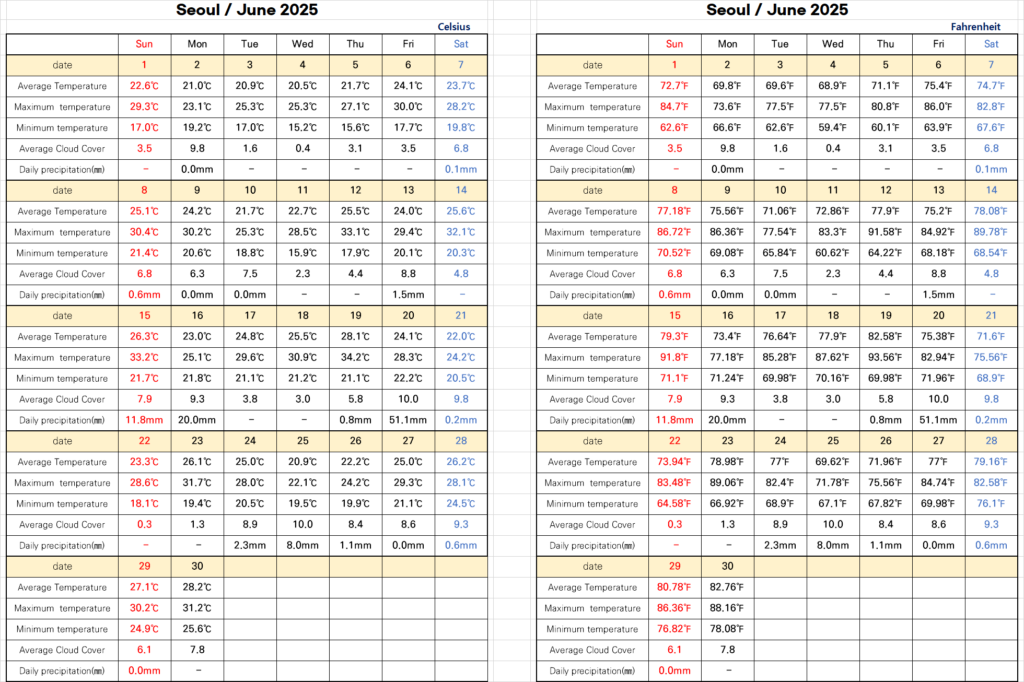
The month opened with comfortable early-summer weather and clear, sightseeing-friendly days. The highest temperature reached 30.0°C (86.0°F), while the lowest dropped to 15.2°C (59.4°F), creating a refreshing day-night contrast. Rainfall was limited, so the air felt relatively light compared with later weeks. Overall, it was warm in the afternoon but still pleasant enough for long walks and outdoor markets.
Week 2 (June 8–14)
Heat strengthened quickly in the second week, and afternoons began to feel more intense. The highest temperature climbed to 33.1°C (91.6°F), while nighttime lows hovered around the low 20°C (68°F) range. Rainfall was still minimal, but humidity began to creep in during late afternoons. It felt like Seoul was stepping into full summer mode, especially under strong sunshine.
Week 3 (June 15–21)
This was the week when Seoul felt like midsummer, with hotter days and a sudden rain shock. The highest temperature hit 34.2°C (93.6°F), and warm nights made it harder for the city to cool down. On June 20, a heavy downpour brought 51.1mm of rain, briefly cooling the air before the humidity surged back. The overall feeling was hot, sticky, and occasionally stormy—classic early monsoon energy.
Week 4 (June 22–28)
Monsoon influence became more noticeable, and the air turned heavier as rain chances increased. Even with more clouds and showers, the highest temperature still reached 31.7°C (89.1°F), keeping the city warm. Lows stayed in the low 20s°C, so evenings remained humid rather than cool. Rainfall was more frequent during this stretch, and the city felt more muggy than earlier in the month.
Week 5 (June 29–30)
The month ended on a warm and humid note, with summer conditions fully settled in. The highest temperature reached 31.2°C (88.2°F), and the air stayed sticky due to lingering moisture. Nights remained warm, and the overall atmosphere felt heavy even without major storms. It was the kind of weather where light clothing and quick breaks indoors feel like a smart travel strategy.
Summary & What to Wear in June in Korea (Seoul)
Seoul moved from pleasant early-summer warmth into hot, humid monsoon conditions by the second half of June. Pack breathable short-sleeve tops, light pants or shorts, and comfortable walking shoes for warm pavement days. A compact umbrella is useful once the rains begin, and a thin layer helps in strong indoor air-conditioning. If you’re planning Korea weather in June / what to wear in June in Korea, Seoul is the city where heat plus humidity starts to feel real.
Korea weather in June – Gangneung
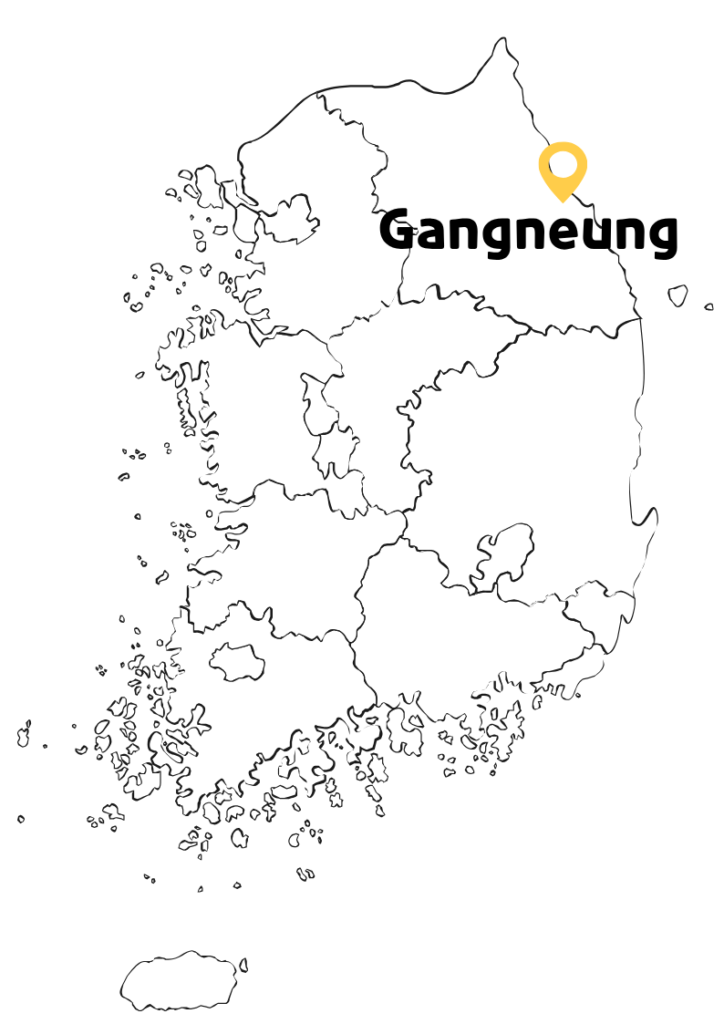
Gangneung, Coastal Heat Intensified by Mountain Winds, sits on Korea’s east coast, where beach breezes often suggest cooler conditions, but local geography can flip the script. When warm winds descend from the Taebaek Mountains, a foehn effect can develop, pushing temperatures sharply upward.
Compared with southern coastal cities, Gangneung may feel drier, but it can also become surprisingly hot under clear skies. In June 2025, it repeatedly showed why the east coast can sometimes feel like the country’s heat spotlight.
Week 1
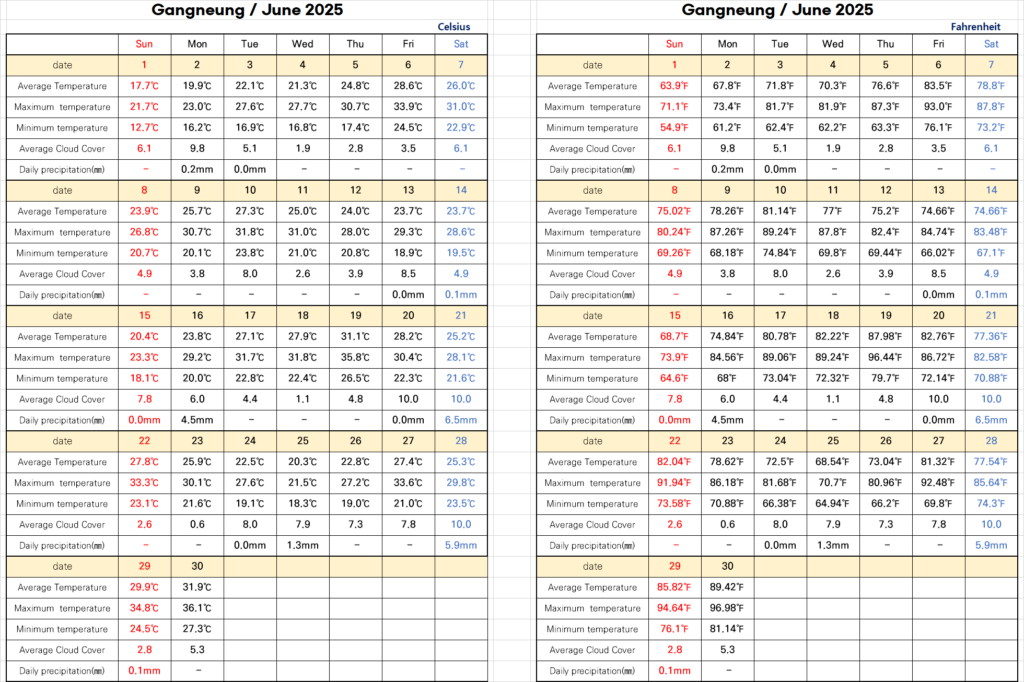
June began with unexpected heat, especially for a city many travelers imagine as breezy and mild. The highest temperature surged to 33.9°C (93.0°F), while the lowest dropped to 12.7°C (54.9°F), creating a big swing between morning and afternoon. Rainfall was very limited, so sunlight played a major role in heating up the day. Overall, mornings felt cool enough for a light layer, but afternoons felt intense and very summery.
Week 2
The second week stayed consistently warm, with steady sunshine shaping the daily mood. The highest temperature reached 31.8°C (89.2°F), and lows sat around the upper teens to low twenties Celsius. Rainfall remained minimal, keeping conditions relatively dry compared with monsoon-prone areas. It felt like classic hot beach weather—bright, warm, and great for coastal walks if you avoid peak afternoon sun.
Week 3
This was the hottest stretch of the month, and Gangneung fully lived up to its heat reputation. On June 19, the highest temperature climbed to 35.8°C (96.4°F), which is extreme for many travelers’ expectations of a coastal town. Nights stayed warm, and the lack of meaningful rainfall kept the heat feeling steady rather than broken up by storms. Overall, it was blistering under direct sun, and shade breaks became essential for comfort.
Week 4
Temperatures remained high early in the week, but the atmosphere started to hint at seasonal change. The highest temperature reached 33.3°C (91.9°F), while lows stayed comfortably warm rather than cool. Rainfall remained limited, but cloud cover increased slightly as broader monsoon patterns began influencing parts of the country. It felt hot but less sharp than Week 3, with a bit more cloudiness softening the sunlight.
Week 5
The month ended with a final heat punch that reminded travelers summer had truly arrived. On June 30, the highest temperature reached 36.1°C (97.0°F), making it one of the hottest readings in Korea that month. Lows stayed warm, and rainfall was minimal, so the heat lingered into the evening. Overall, it felt like peak summer beach weather, but the kind where hydration and sun protection are non-negotiable.
Summary & What to Wear in June in Korea (Gangneung)
Gangneung delivered frequent heatwaves with little rain, so sun exposure was the main travel challenge. Pack lightweight, breathable clothing, a hat, sunglasses, and strong sunscreen for long coastal days. Moisture-wicking fabrics feel better than heavy cotton when temperatures surge above 33°C. If your trip includes beaches, a cover-up and comfortable sandals help you move easily between sand and city streets.
Korea weather in June – Gyeongju
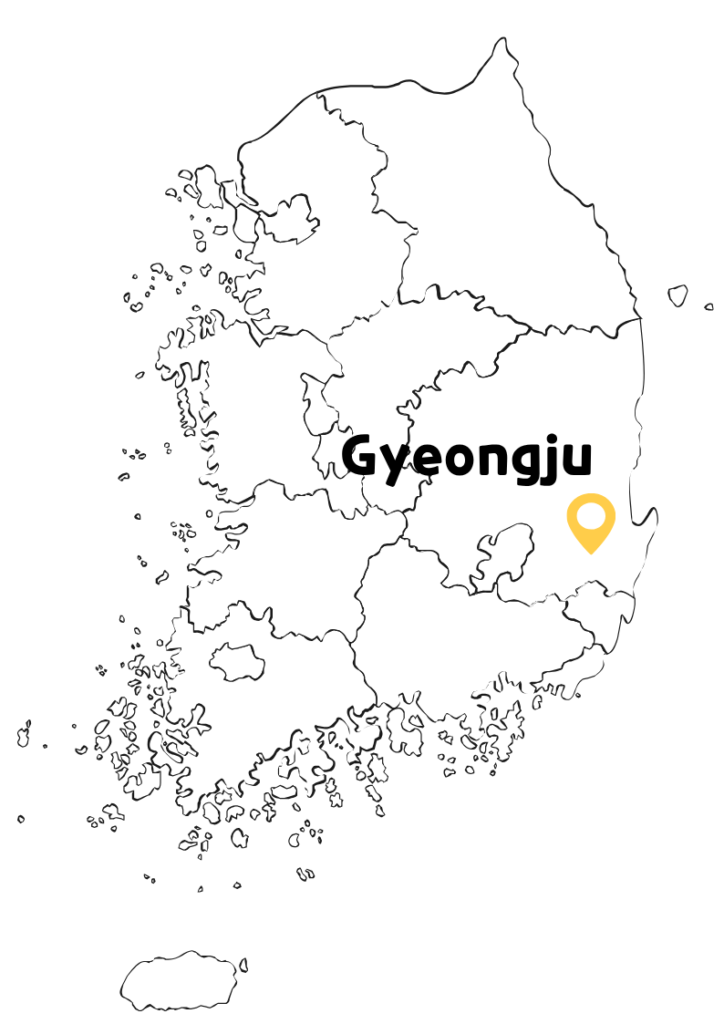
Gyeongju is an inland city in North Gyeongsang Province, and its basin-like geography makes it one of the hottest-feeling destinations in early summer. With limited coastal influence, daytime temperatures rise quickly under clear skies and can stay elevated for long periods. Even when rain falls, the heat often returns fast because warm air becomes trapped in the surrounding landscape. In June 2025, Gyeongju proved that historical sightseeing in summer requires smart timing and smart clothing.
Week 1
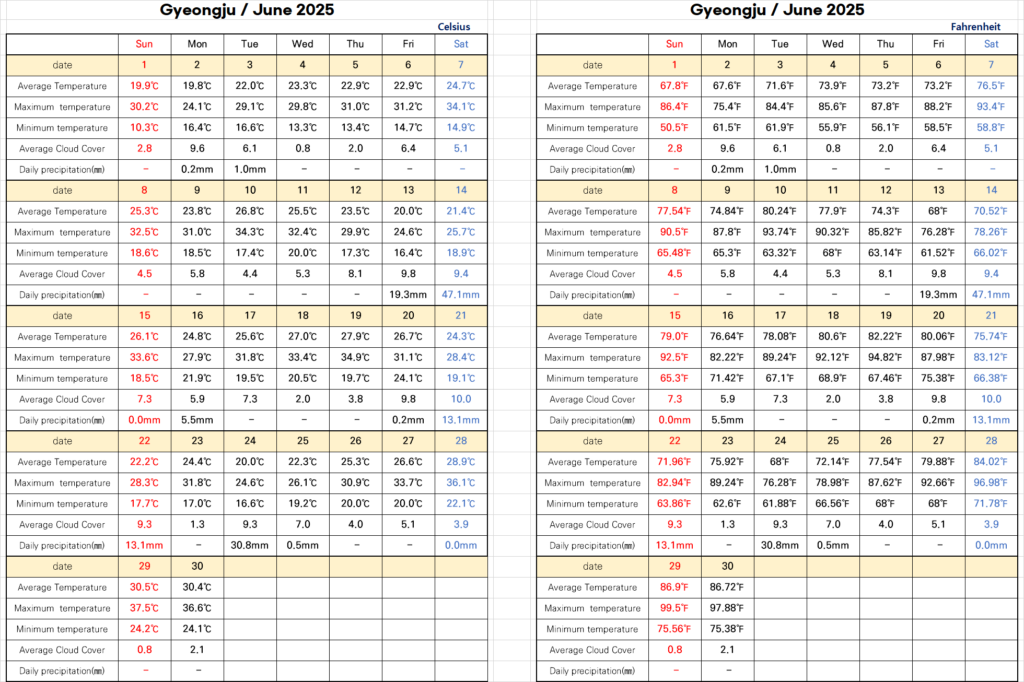
The month opened with dramatic temperature swings that felt surprising for early summer. The highest temperature reached 34.1°C (93.4°F), while the lowest dropped to 10.3°C (50.5°F), creating a huge gap between morning and afternoon. Rainfall was minimal, so the heat built steadily through the day under strong sun. Overall, mornings felt almost spring-like, but afternoons felt like full summer—hot, bright, and intense.
Week 2
Mid-month brought a notable rain event that briefly changed the feel of the city. Between June 13–14, about 66.4mm of rain fell, offering a temporary cool-down and cloudier skies. Highs were still warm, but the rainfall softened the heat for a short time. Overall, it felt like a quick reset—cooler during the storm, then humid as the ground dried.
Week 3
As soon as the rain cleared, Gyeongju heated up again in classic inland fashion. The highest temperature climbed to 34.9°C (94.8°F), with warm nights that didn’t provide much relief. Rainfall was limited during this period, so the sun dominated and the heat felt relentless by mid-afternoon. Overall, it was hot, dry-leaning, and best enjoyed with early morning sightseeing and long midday café breaks.
Week 4
Another rainfall event arrived, but it couldn’t fully tame the heat that followed. On June 24, the city received 30.8mm of rain, bringing short-lived cooling and higher humidity. Later in the week, temperatures surged again, reaching 36.1°C (97.0°F) on June 28. Overall, it felt like a humid heat trap—brief rain, then a fast rebound into scorching summer.
Week 5
The final days of June were exceptional, even for a famously hot inland city. On June 29, the highest temperature spiked to 37.5°C (99.5°F), which is unusually high for June and closer to peak summer levels. Rainfall was limited, and warm nights meant the heat lingered into the evening. Overall, it felt like the height of summer arriving early, and careful pacing outdoors was essential.
Summary & What to Wear in June in Korea (Gyeongju)
Gyeongju ran extremely hot for much of June, especially toward the end of the month. Pack loose, airy clothing like linen or lightweight performance fabrics, and choose sandals or breathable sneakers for long temple walks. Bring a sun hat and a small towel or cooling wipes for mid-afternoon heat. If you’re planning Korea weather in June / what to wear in June in Korea, Gyeongju is a city where heat management matters as much as itinerary planning.
Korea weather in June – Busan
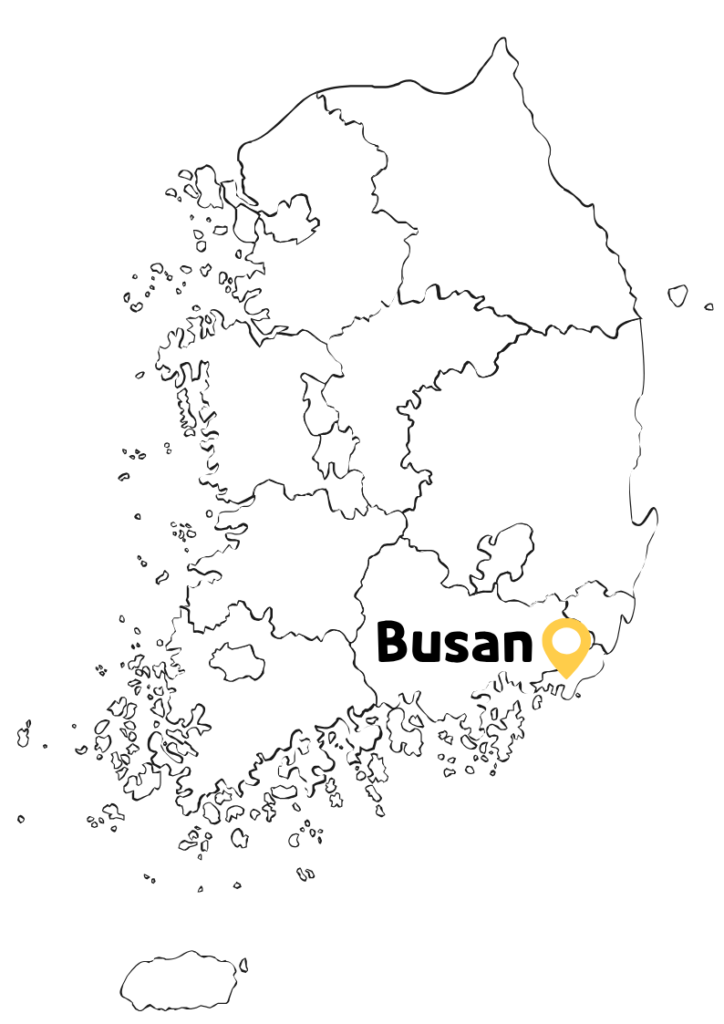
Busan sits on Korea’s southern coast, and the ocean moderates temperatures compared with inland cities. However, the trade-off is humidity— Busan often feels stickier, especially once monsoon patterns begin. It’s also one of the first major cities to receive strong rainfall when the seasonal front pushes northward. In June 2025, Busan showed a classic coastal pattern: comfortable starts, then sudden heavy rain and rising humidity.
Week 1
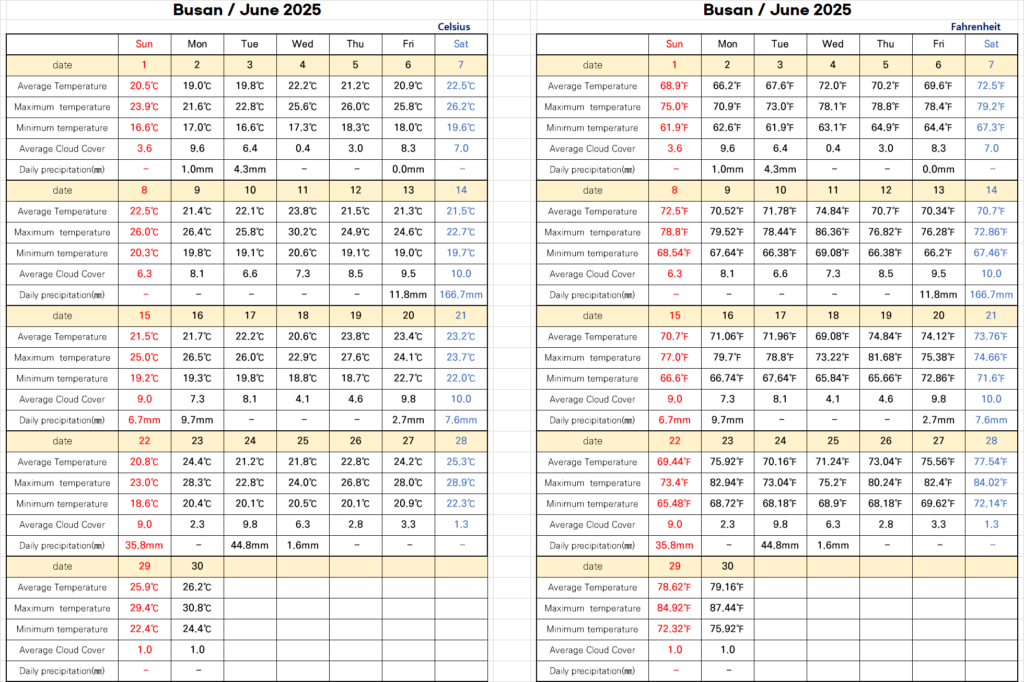
The month began with pleasant coastal weather that felt comfortable for walking and sightseeing. The highest temperature reached 26.2°C (79.2°F), while the lowest temperature was 16.6°C (61.9°F). Rainfall was limited, and sea breezes helped keep the air from feeling heavy. Overall, it was mild, fresh, and ideal for beach strolls without intense summer heat.
Week 2
The second week brought a major weather event that marked an early monsoon signal. On June 14, Busan received 166.7mm of rain in a single day, creating sudden downpours and flooded-looking streets in some areas. Temperatures remained moderate, but humidity rose sharply as the rain passed. Overall, it felt stormy and sticky—an unmistakable shift from the calmer first week.
Week 3
After the heavy rain, conditions stabilized and sunshine began returning. The highest temperature reached 27.6°C (81.7°F), and the air felt warmer as humidity lingered. Rainfall was much lighter compared with Week 2, so the city felt more predictable again. Overall, it was warm, coastal, and slightly muggy—comfortable if you dress light and keep moving.
Week 4
Rain returned during the fourth week, and humidity became more noticeable across the city. Busan recorded 35.8mm of rain on June 22 and 44.8mm on June 24, bringing repeated wet spells and cloudy skies. Temperatures stayed warm, but the moisture in the air made it feel heavier than the numbers suggest. Overall, it felt like true early monsoon—humid, damp, and occasionally rainy.
Week 5
The month closed with hotter weather building on top of lingering humidity. The highest temperature reached 30.8°C (87.4°F), signaling that full summer heat was beginning to take hold. Rainfall was lighter, but the atmosphere still felt moist from earlier storms. Overall, it was warm and sticky, the kind of weather where quick-dry clothes make travel much easier.
Summary & What to Wear in June in Korea (Busan)
Busan in June is all about humidity and rain readiness rather than extreme peak temperatures. Pack quick-dry shirts, breathable shorts or light pants, and footwear that can handle wet sidewalks. A compact umbrella is essential, and waterproof sandals can be surprisingly useful after heavy showers. For Korea weather in June / what to wear in June in Korea, Busan is the city where rain and humidity shape your comfort the most.
Korea weather in June – Jeju
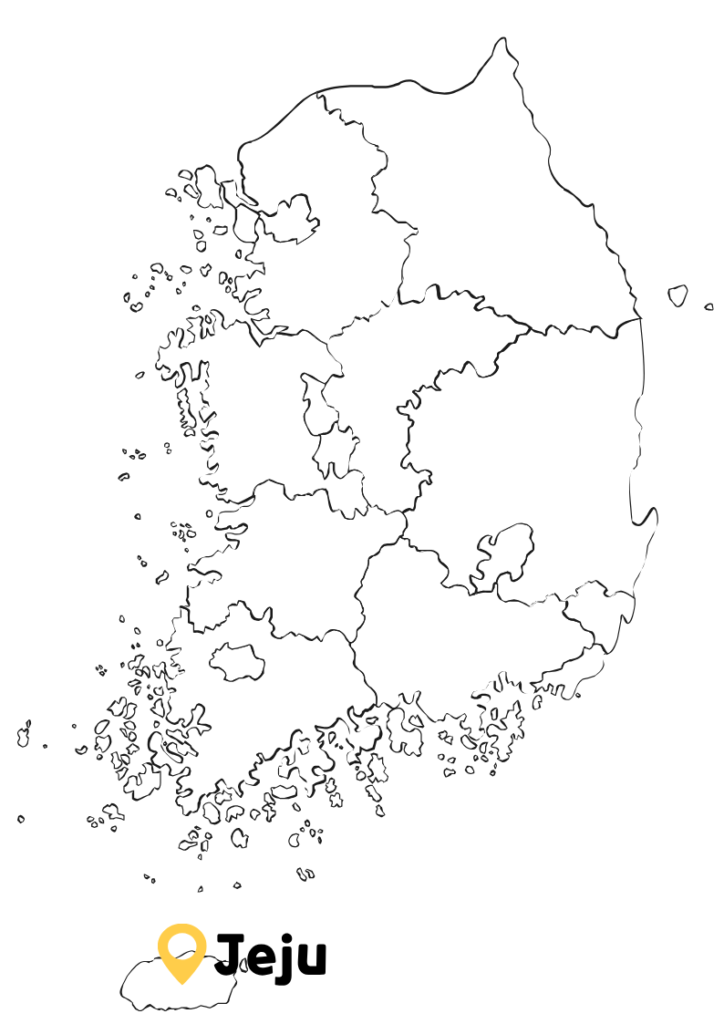
Jeju is Korea’s southernmost island, and its maritime setting keeps temperatures fairly steady while making the air noticeably more humid. Because it sits closer to the path of seasonal rain systems, Jeju often experiences the monsoon earlier than the mainland. Even when the island isn’t experiencing extreme heat, humidity can make the weather feel warmer and heavier than expected. In June 2025, Jeju leaned into its classic pattern: warm days, frequent clouds, and on-and-off rain.
Week 1
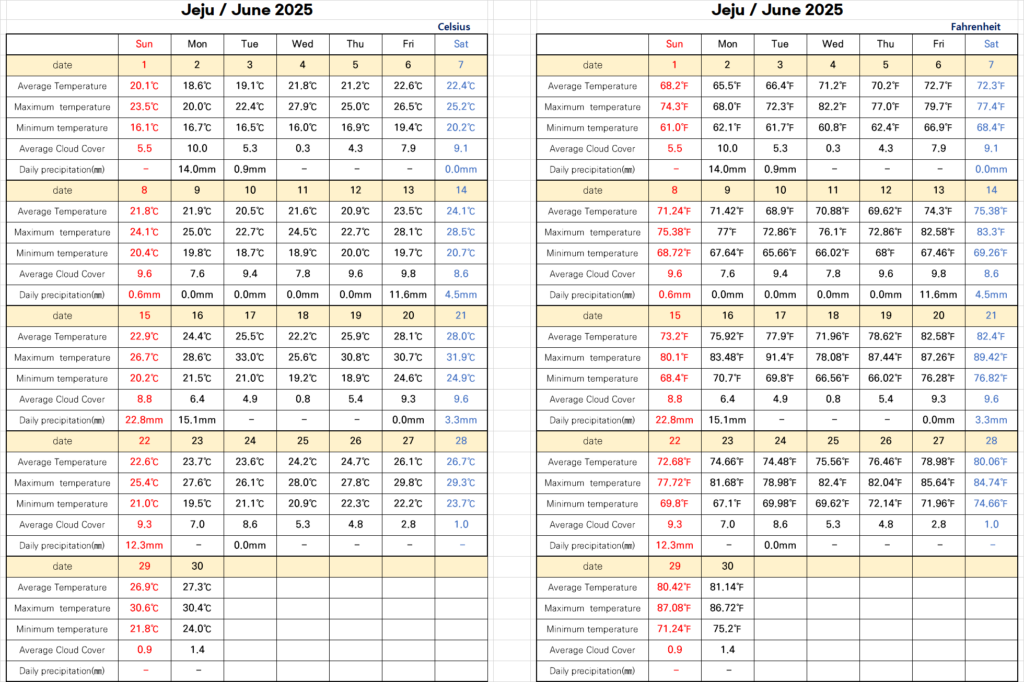
June began with warm, island-friendly weather that felt comfortable for outdoor exploring. The highest temperature reached 27.9°C (82.2°F), while the lowest stayed at 16.0°C (60.8°F), keeping evenings mild. Rainfall was limited, and sea breezes helped soften the midday warmth. Overall, it felt like early summer on an island—warm, slightly humid, and great for coastal drives.
Week 2
Cloud cover increased during the second week, and the air began to feel noticeably more humid. Around 16mm of rain fell between June 13–14, bringing light showers and a damp feeling that lingered after the rain. Temperatures stayed warm, with mild nights that didn’t cool down sharply. Overall, it felt like Jeju was preparing for monsoon season—cloudy, moist, and a bit sticky at times.
Week 3
Rain became more frequent, and warmth increased at the same time. Between June 15–16, Jeju received 37.9mm of rain, creating wet roads and brief bursts of heavy showers. The highest temperature climbed to 31.9°C (89.4°F), while nights stayed warm and humid. Overall, it felt tropical—hotter than earlier weeks, wet at times, and consistently humid.
Week 4
The monsoon pattern lingered, with cloudy skies and intermittent damp conditions. On June 22, rainfall reached 12.3mm, adding to the month’s wet rhythm without fully washing out travel plans. Temperatures remained warm, and the air stayed heavy due to constant moisture. Overall, it felt muggy and overcast—comfortable in light clothes, but definitely rain-jacket weather.
Week 5
The month ended with warm, sticky island air that felt distinctly summery. The highest temperature reached 30.4°C (86.7°F), and humidity lingered even when rain wasn’t heavy. Nights remained mild and damp, making the island feel like it never fully “cooled down.” Overall, it was classic Jeju late-June weather—warm, humid, and best handled with breathable clothing and quick-dry gear.
Summary & What to Wear in June in Korea (Jeju)
Jeju’s June weather is warm, humid, and often rainy, especially as monsoon patterns begin. Pack breathable summer outfits, a light rain jacket or windbreaker, and quick-dry shoes or sandals for wet days. A thin long-sleeve layer is also useful indoors because air-conditioning can feel chilly after humid outdoor heat. If you’re planning Korea weather in June / what to wear in June in Korea, Jeju is where rain protection and humidity-friendly clothing matter most.

This has been Seoul Mate Lenny, sharing a closer look at Korea’s weather across different cities. I hope this guide helps anyone planning a trip to Korea better understand the climate and prepare for their journey.
If you’re interested, take a look at the articles below as well!