
If you’re planning a spring trip, understanding Korea weather in May is essential. Many travelers ask not only about Korea weather in May, but also specifically about what to wear in May in Korea, because May sits right between cool spring mornings and early summer afternoons.
In short, Korea weather in May is beautifully transitional. It begins with crisp mornings, gradually warms up, and by late May, some cities feel surprisingly close to summer. However, rainfall patterns and temperature swings vary depending on geography — inland, coastal, or island climates all behave differently.
Table of Contents
Click on the city you’re curious about to see the May weather.
Korea weather in May – Seoul
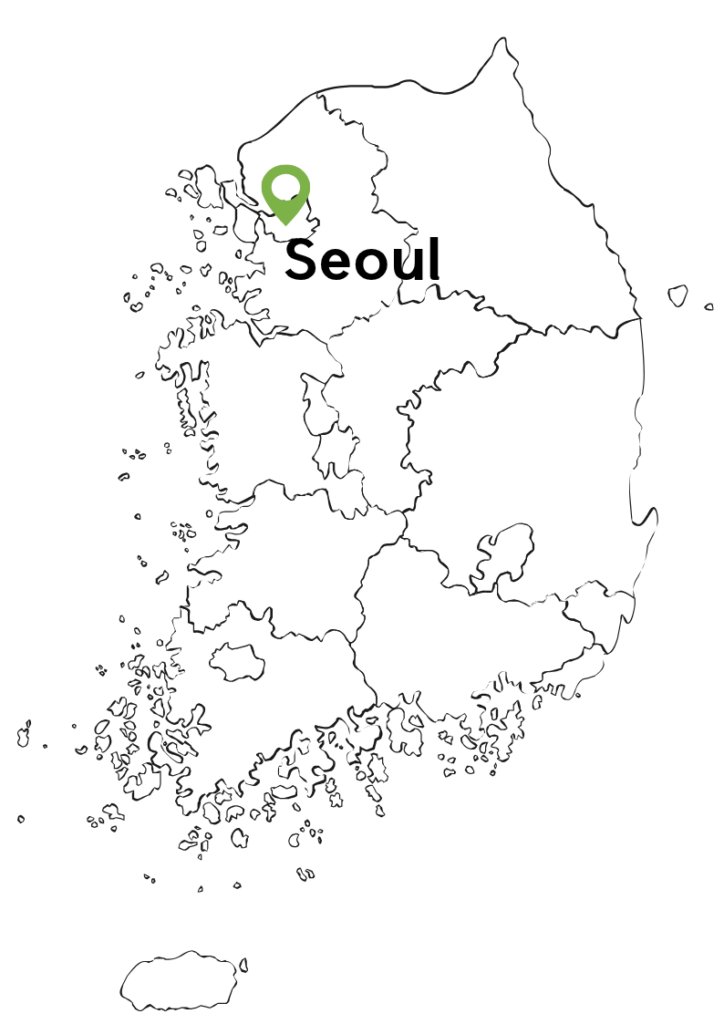
Seoul lies in the northwestern inland region of the peninsula. Because it is farther north than Busan or Jeju, spring warming arrives slightly slower. Northern air masses still influence Korea weather in May here, especially during early mornings.
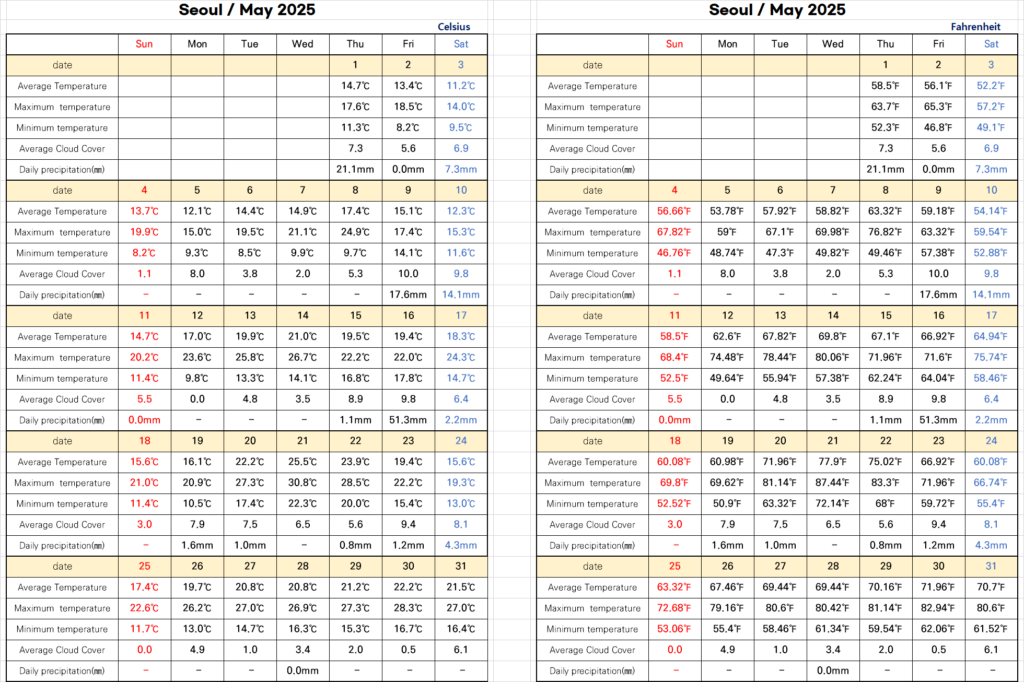
Week-by-Week Weather & Rainfall
Week 1 (May 1–3)
The month opened on a cool note. The highest temperature reached 18.5°C (65.3°F), while the lowest dropped to 8.2°C (46.8°F). With 21.1mm of rain on May 1, the air felt damp and slightly colder than expected. Daytime was mild, but mornings and evenings required an extra layer. Overall, it felt like early spring rather than early summer.
Week 2 (May 4–10)
Temperatures climbed noticeably. Highs peaked at 24.9°C (76.8°F), but lows still dipped to 8.0°C (46.4°F). Rain returned on May 9 (17.6mm) and May 10 (14.1mm), adding humidity to the air. The pattern showed a clear warming trend, yet the daily temperature gap remained significant.
Week 3 (May 11–17)
The highest temperature rose to 26.7°C (80.1°F), with a low of 9.8°C (49.6°F). On May 16, a heavy 51.3mm downpour marked the wettest day of the month. Despite warmer afternoons, sudden rainfall made conditions feel unstable.
Week 4 (May 18–24)
A dramatic shift occurred. On May 21, the temperature surged to 30.8°C (87.4°F). The lowest temperature during this week was 10.5°C (50.9°F). It briefly felt like midsummer in the middle of May.
Week 5 (May 25–31)
Highs reached 28.3°C (82.9°F), lows stayed near 11.7°C (53.1°F). Skies were mostly clear, and the air turned noticeably warmer and drier.
Compared to southern cities, Seoul had cooler mornings and stronger temperature contrasts. If you’re researching Korea weather in May, Seoul clearly shows why layering matters. For what to wear in May in Korea, pack short sleeves for afternoons and a light cardigan or windbreaker for mornings.
Korea weather in May – Gangneung

Gangneung sits on Korea’s eastern coastline, just beyond the Taebaek Mountains. Because of this geography, it often reacts quickly to shifting air currents. During Korea weather in May, warm downslope winds can push temperatures up surprisingly fast, sometimes even higher than Seoul. At the same time, its coastal position means evenings can cool down once sea breezes return. This contrast makes Gangneung one of the more dynamic places to watch when tracking Korea weather in May.

Week-by-Week Weather & Rainfall
Compared to Seoul, Gangneung experienced stronger heat spikes during Korea weather in May, particularly around the third and fourth weeks. However, overall rainfall was lighter and more intermittent. The key feature here was fluctuation — hot afternoons followed by noticeably cooler evenings.
Week 1 (May 1–3)
The first few days felt comfortably mild during the daytime. The temperature climbed to 24.3°C (75.7°F), while the lowest point dipped to 10.6°C (51.1°F). Light rain passed through on May 1 and May 3, briefly freshening the air. While afternoons were pleasant and bright, evenings cooled quickly once the sun set, giving the coastline a crisp spring feel rather than early summer warmth.
Week 2 (May 4–10)
This week brought a slightly cooler start in the mornings, with temperatures falling to 7.1°C (44.8°F), even though daytime highs still reached 23.7°C (74.7°F). On May 9, 15.8mm of rain added a damp touch to the air. Interestingly, early mornings felt cooler than Seoul during this period, reminding travelers that coastal cities don’t always mean warmer weather. The daily temperature range remained noticeable.
Week 3 (May 11–17)
A sharp jump arrived mid-month. Highs reached 30.0°C (86°F), signaling the first real taste of summer. Nighttime temperatures also rose to 13.8°C (56.8°F), reducing the chill compared to earlier weeks. A small amount of rain — 7.0mm on May 17 — offered brief relief from the sudden warmth, but overall, this week marked a clear turning point in Korea weather in May for Gangneung.
Week 4 (May 18–24)
This was the most intense stretch of the month. On May 20, temperatures soared to 32.1°C (89.8°F), one of the highest readings recorded nationwide during this period of Korea weather in May. Despite the heat, mornings could still dip to 10.9°C (51.6°F), creating a wide daily gap. A 17.0mm rainfall on May 24 interrupted the heat briefly, but the overall impression was unmistakably summer-like.
Week 5 (May 25–31)
The final week settled into more stable conditions. Highs eased back to 25.0°C (77°F), and lows hovered around 10.0°C (50°F). Without extreme heat or heavy rainfall, late May in Gangneung felt balanced and comfortably spring-like — warm enough for outdoor activities, yet not overwhelmingly hot.
If you’re wondering what to wear in May in Korea for Gangneung, think light but flexible. Short sleeves or breathable fabrics work well during the day, especially in mid to late May. However, once the sun goes down and the coastal breeze picks up, a light jacket or cardigan becomes very useful. Layering remains the smartest choice when navigating Korea weather in May along the East Coast.
Korea weather in May – Gyeongju
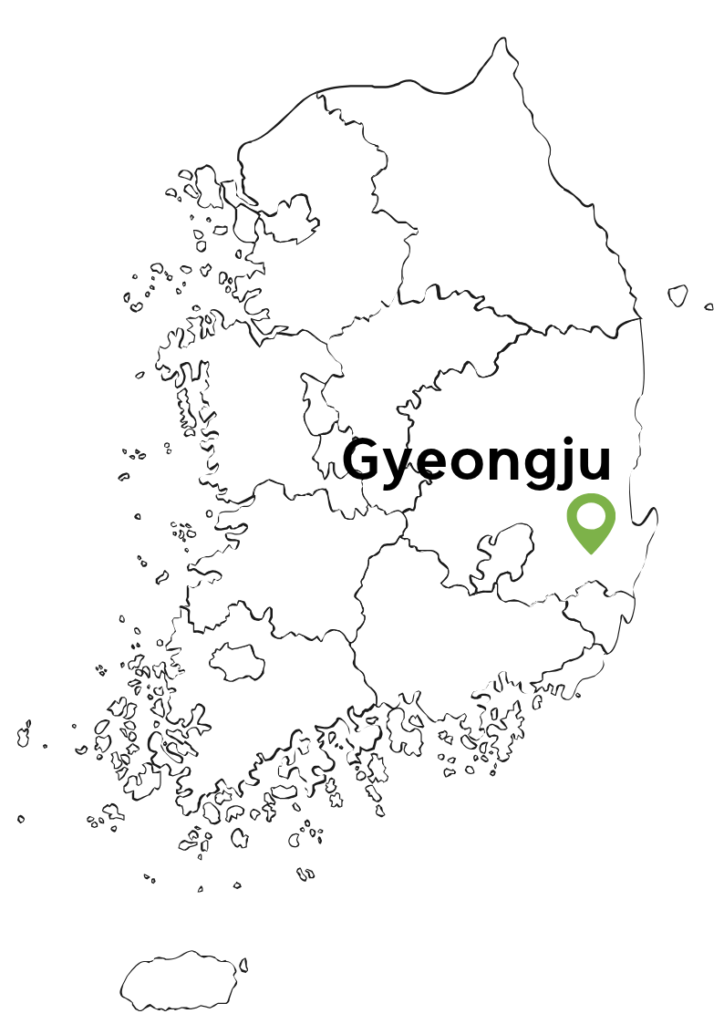
Gyeongju is located in a classic inland basin, which means heat tends to build up and linger during the day. Unlike coastal cities that benefit from sea breezes, Gyeongju often warms up faster and more intensely. During Korea weather in May, this geographical feature becomes very noticeable. In fact, among the five cities we examined, Gyeongju recorded the highest temperature of the month.
Because of its inland setting, daytime heat can feel strong and direct, while mornings may still carry leftover spring chill. This contrast is a key characteristic of Korea weather in May in Gyeongju.

Week-by-Week Weather & Rainfall
Week 1 (May 1–3)
The first week began with a warm and bright feel during the day. The highest temperature reached 24.8°C (76.6°F), while the lowest dropped to 8.8°C (47.8°F). Although rain appeared early in the week, it wasn’t overwhelming — just enough to freshen the air and briefly cool things down. Afternoons felt comfortably warm, but once the sun set, the temperature fell quickly, reminding visitors that early May is still technically spring.
Week 2 (May 4–10)
This week brought one of the biggest surprises. While daytime highs reached 24.4°C (75.9°F), a very cold morning saw temperatures drop to 4.4°C (39.9°F). That sharp contrast made layers essential. On May 9, rainfall totaled 19.0mm, adding moisture and slightly lowering daytime comfort levels. The overall impression was mild afternoons paired with unexpectedly chilly starts.
Week 3 (May 11–17)
By mid-month, heat began to assert itself more clearly. The temperature climbed to 29.7°C (85.5°F), while the low settled at 8.7°C (47.7°F). On May 16, 24.8mm of rain fell, temporarily interrupting the warming trend. Still, the overall pattern showed Gyeongju shifting steadily toward early summer conditions.
Week 4 (May 18–24)
This was the peak of the month. On May 20, the temperature soared to 33.7°C (92.7°F), the highest reading among all five cities during Korea weather in May. Despite that intense daytime heat, mornings still hovered near 10.9°C (51.6°F), creating a dramatic daily gap. The air felt dry and hot under direct sunlight — much more summer-like than spring-like.
Week 5 (May 25–31)
The final week remained warm but slightly less extreme. Highs reached 27.7°C (81.9°F), and lows settled around 10.3°C (50.5°F). Rain was minimal, and the atmosphere felt dry and stable. By this point, Gyeongju clearly leaned toward early summer conditions.
Among the cities we analyzed, Gyeongju showed the widest temperature swings during Korea weather in May. Afternoon heat could feel like full summer — especially during Week 4 — while mornings sometimes dropped below 10°C (50°F), and even as low as 4.4°C (39.9°F) earlier in the month.
If you’re deciding what to wear in May in Korea for Gyeongju, think in terms of contrast. Short sleeves and breathable fabrics work well during the afternoon heat, particularly mid-to-late May. However, you should also pack a thicker outer layer or light jacket for early mornings and evenings. Layering is especially important here because Korea weather in May in inland cities like Gyeongju can shift dramatically within just a few hours.
Korea weather in May – Busan

Busan sits on Korea’s southeastern coastline, directly facing the sea. Because of this maritime location, temperatures tend to be more moderated compared to inland cities like Seoul or Gyeongju. During Korea weather in May, Busan doesn’t usually experience the dramatic 30°C spikes seen inland. However, what it lacks in extreme heat, it often makes up for in moisture and rainfall.
Sea breezes help prevent overheating, but they also carry humidity. As a result, Korea weather in May in Busan often feels softer in temperature yet heavier in the air.

Week-by-Week Weather & Rainfall
Week 1 (May 1–3)
The month began mild and slightly damp. The highest temperature reached 21.3°C (70.3°F), while the lowest dropped to 10.4°C (50.7°F). Rainfall totaled 19.0mm, which gave the coastline a fresh but humid feel. Days were comfortably cool rather than warm, and evenings required a light layer.
Week 2 (May 4–10)
Conditions remained steady in temperature, with highs of 21.9°C (71.4°F) and lows of 9.6°C (49.3°F). However, rainfall intensified significantly, reaching 38.8mm. This heavier rain made the air noticeably more humid. While Busan avoided sharp temperature swings, the damp atmosphere became the defining feature of the week.
Week 3 (May 11–17)
This was the wettest and most dramatic stretch. Highs rose to 24.2°C (75.6°F), and nighttime temperatures stayed milder at 13.3°C (55.9°F). On May 16, a substantial 58.0mm rainfall event occurred — one of the strongest among all five cities. Despite the rain, temperatures remained relatively moderate, without extreme heat.
Week 4–5 (May 18–31)
Late May in Busan felt stable and settled. Highs hovered around 25.8°C (78.4°F), while lows stayed between 12–13°C (53–55°F). Although skies were often cloudy, heavy rainfall eased compared to mid-month. The air felt warm but rarely hot, and evenings remained comfortable.Summary & What to Wear in May in Korea (Busan)
Compared to inland cities during Korea weather in May, Busan experienced fewer extreme temperature spikes. It never crossed into the 30°C (86°F+) range, which made afternoons more manageable. However, rainfall intensity — especially mid-month — was significant, and humidity levels were noticeably higher.
If you’re deciding what to wear in May in Korea for Busan, breathable fabrics are key. Lightweight long sleeves or thin shirts work well during the day, especially in humid conditions. A light jacket may still be useful for evenings, but rain protection — such as a compact umbrella or light raincoat — is especially important. In Busan, Korea weather in May is less about heat and more about moisture.
Korea weather in May – jeju

Jeju Island sits at the southernmost edge of South Korea, surrounded by open sea. Because of this location, it usually experiences milder winters and warmer nights than mainland cities. During Korea weather in May, Jeju often feels slightly more advanced into late spring compared to Seoul or inland regions.
The ocean plays a huge role in shaping Jeju’s climate. Sea breezes prevent extreme heat during the day, but they also bring humidity and moisture. As a result, Korea weather in May on Jeju tends to feel warm, slightly humid, and occasionally rainy. One of the most noticeable characteristics is the relatively warm nighttime temperatures compared to other Korean cities.
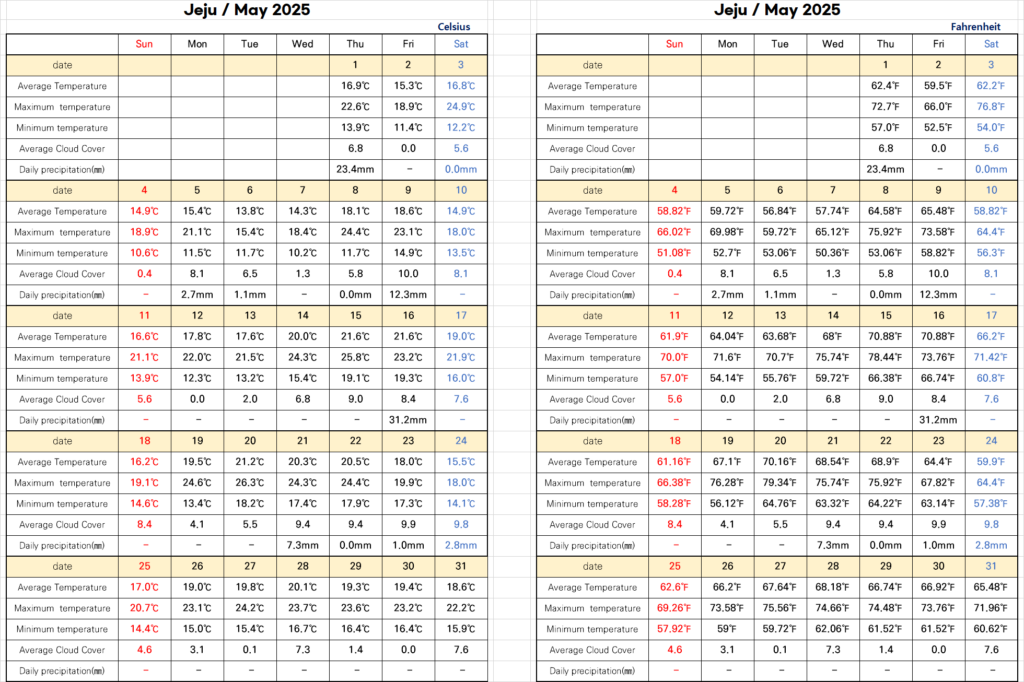
Week-by-Week Weather & Rainfall
Week 1 (May 1–3)
The month began with mild and pleasant temperatures. The highest temperature reached 24.9°C (76.8°F), while the lowest dropped to 11.4°C (52.5°F). Rainfall totaled 23.4mm, bringing light showers that briefly cooled the air. Even with the rain, the overall atmosphere felt fresh and comfortable rather than cold.
Week 2 (May 4–10)
Temperatures remained quite stable this week. Highs reached 24.4°C (75.9°F), while lows dipped to 10.2°C (50.4°F). Rainfall was lighter than the previous week at 12.3mm, creating mostly mild and manageable conditions. Compared to northern cities, Korea weather in May in Jeju felt calmer and less dramatic.
Week 3 (May 11–17)
Mid-month brought slightly warmer conditions. High temperatures climbed to 25.8°C (78.4°F), with nighttime lows around 12.3°C (54.1°F). Rainfall increased again, reaching 31.2mm. The combination of warmer air and rain made the atmosphere feel noticeably more humid.
Week 4 (May 18–24)
Temperatures edged up a little more, reaching 26.3°C (79.3°F). Nighttime lows also rose to 13.4°C (56.1°F), making evenings warmer than most mainland cities during Korea weather in May. Cloud cover remained frequent, and humidity stayed present throughout the week.
Week 5 (May 25–31)
Late May felt comfortable but still slightly moist. The highest temperature reached 24.2°C (75.6°F), while the lowest stayed around 14.4°C (57.9°F), the warmest nighttime level among the five cities. Even though temperatures eased slightly, the humid coastal air remained noticeable.
Among the five cities, Jeju experienced the warmest nights during Korea weather in May. While daytime temperatures stayed moderate and rarely became extremely hot, humidity and occasional rain were common.
If you’re thinking about what to wear in May in Korea for Jeju, lightweight clothing works best. Short sleeves or breathable fabrics are comfortable for daytime exploring. However, because rain showers can appear unexpectedly, carrying a light raincoat or compact umbrella is very helpful. A thin outer layer may still be useful for breezy evenings near the coast.
Final Thoughts
We’ve now taken a detailed look at Korea weather in May and explained clearly what to wear in May in Korea across five major cities. From Seoul’s sharp daily swings to Gyeongju’s heat spikes and Busan’s heavy rainfall, Korea weather in May truly varies by region. Understanding these differences helps you decide exactly what to wear in May in Korea for a comfortable trip.
We’ve explored Korea’s weather in May.
This was your SeoulMate Renny.

SeoulMate Renny provides all the information that’s often difficult to find in one place.
If you’re curious about more helpful travel insights, feel free to explore the posts below!