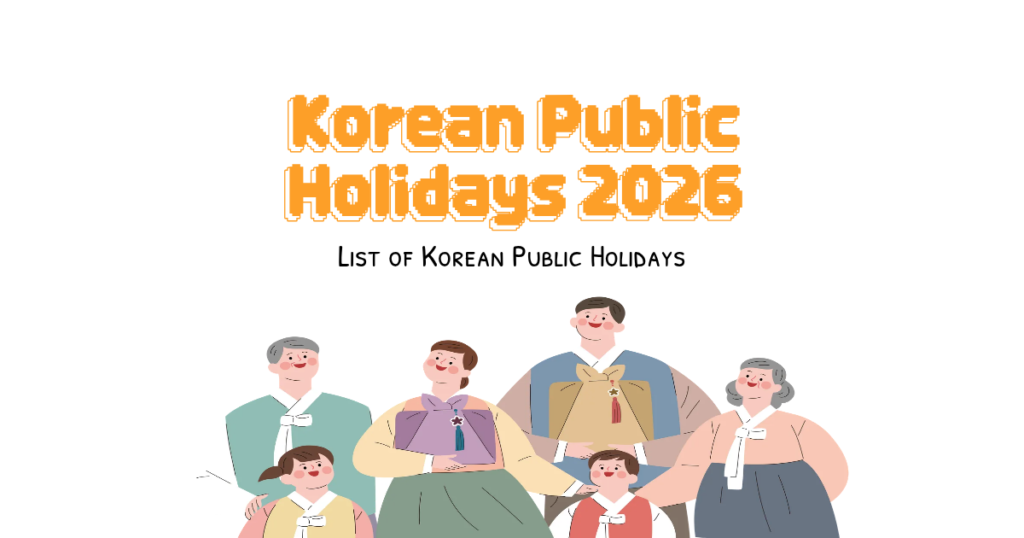
Each Korean Public Holiday carries deep cultural and historical significance. They mark the rhythm of Korean life, from family gatherings to national celebrations. While many traditions have faded slightly in modern times, these Korean Public holidays still offer meaningful moments to reconnect with family, rest, and celebrate Korea’s heritage.
For travelers, understanding Korean Public Holidays is essential. They influence business hours, transportation, and even your sightseeing experience. But they also provide amazing opportunities to see Korea at its most authentic.
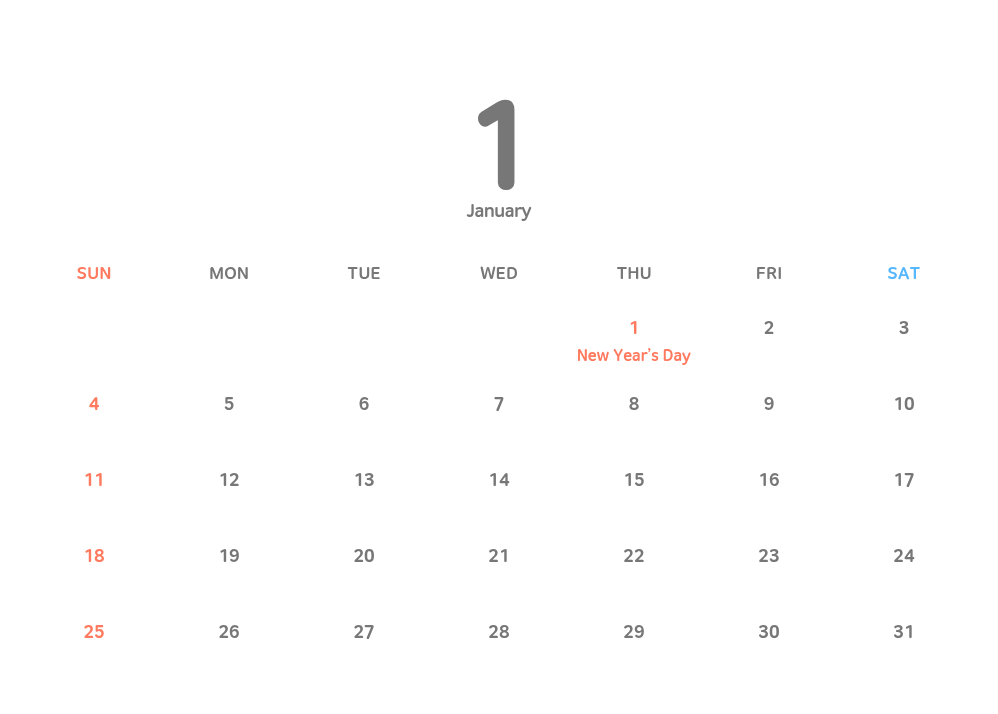
New Year’s Day (January 1)
New Year’s Day marks the beginning of the solar year and is one of the first Korean Public Holidays celebrated nationwide. The weather is cold and crisp, averaging around –5°C to 5°C, giving the day a refreshing stillness. Many people visit mountains or beaches to watch the first sunrise, wishing for health and prosperity in the coming year. Families gather at home to share warm meals, while Seoul takes on a rare, peaceful calm, quieter streets and a sense of new beginnings fill the air.
Are things closed?
Banks and government offices are closed, but most restaurants and cafés stay open.
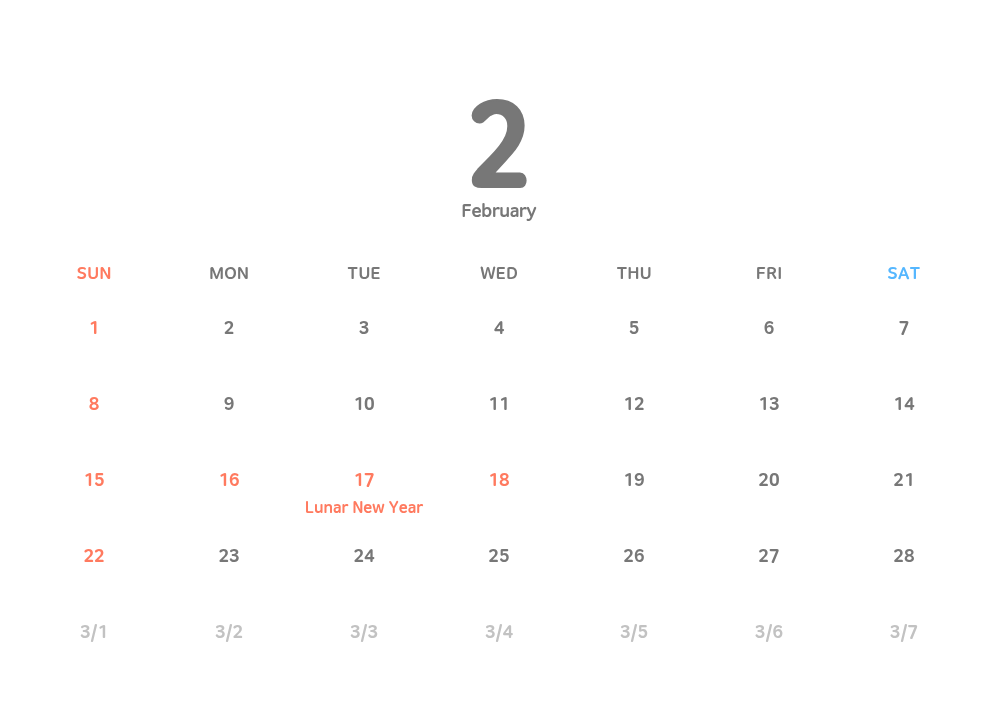
SEOLLAL (Lunar New Year) (February 16-18)
Seollal is the most important Korean Public Holiday, a time when families travel across the country to reunite and honor their ancestors. In the chilly winter weather, around –3°C to 6°C, homes are filled with the sounds of greetings, laughter, and sizzling dishes. People wear hanbok (Korean traditioan clothes), perform deep bows called sebae to elders, and receive New Year’s money as blessings. Families enjoy tteokguk (rice cake soup) — eating it symbolizes becoming one year older — and play traditional games like yutnori (윷놀이) or kite flying (연날리기). It’s a time of warmth, family, and renewal in the heart of winter.
What to do in Korea
Enjoy a peaceful winter morning, visit palaces, or enjoy a hot drink at cozy cafés while the city rests.
Are things closed?
Many small stores and restaurants close for a few days; transportation is crowded as millions travel to their hometowns.
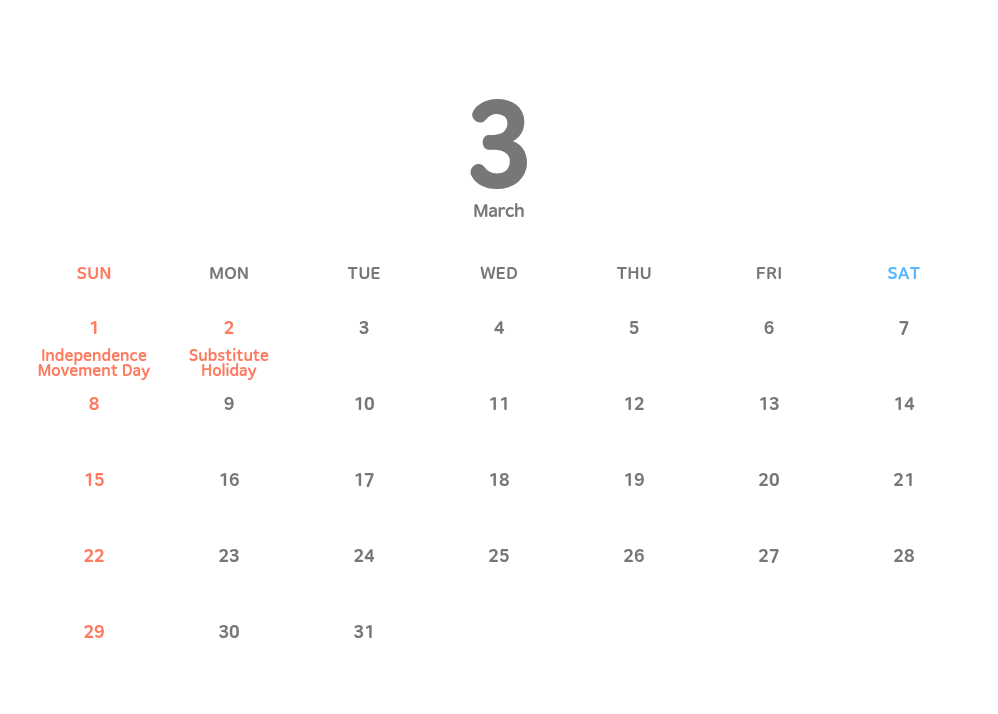
SAMIL-JEOL (Independence Movement Day) (March 1)
This Korean Public Holiday honors the 1919 Independence Movement, when brave Koreans stood up against Japanese colonial rule. As early spring arrives with mild temperatures around 5–10°C, Korean flags wave proudly across the country. Ceremonies and parades fill public squares, especially at historical sites like Seodaemun Prison History Hall and Independence Hall. The air carries a sense of pride and remembrance, as Koreans reflect on their nation’s hard-earned freedom and resilience.
Are things closed?
Banks and government offices close, but most tourist attractions and cafés stay open.
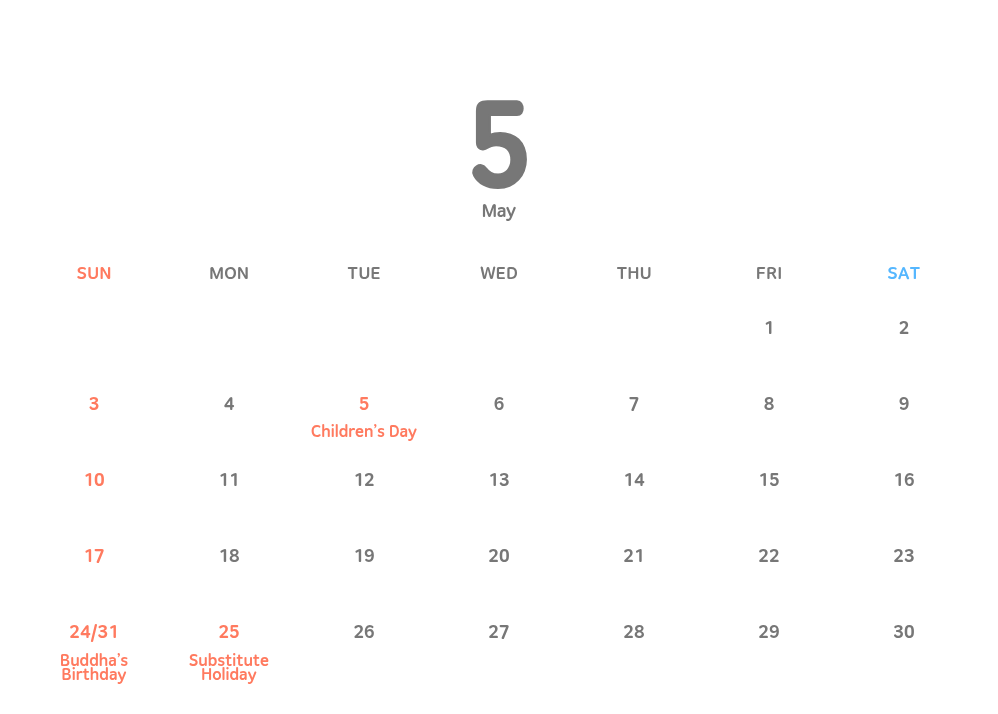
Children’s Day (May 5)
Warm weather and blooming flowers, around 17–24°C, set the perfect backdrop for Children’s Day, one of the most cheerful Korean Public Holidays. On this day, families flood parks, zoos, and amusement parks to celebrate their children. Parents give small gifts, and the streets buzz with laughter, balloons, and outdoor performances. It’s a day full of joy, color, and play — a reminder of Korea’s love for family and childhood.
Are things closed?
Banks close, Amusement parks and family attractions are very crowded.
Buddha’s Birthday (May 24)
Buddha’s Birthday, a peaceful and spiritual Korean Public Holiday, brightens late spring with temperatures around 18–25°C. Temples across the country glow with vibrant lotus lanterns, symbolizing enlightenment and compassion. In Korea, the Lotus Lantern Festival turns the streets into rivers of light as thousands gather for parades and prayers. The air feels serene, filled with the soft glow of lanterns and the fragrance of incense.
Are things closed?
Banks close, but temples and tourist attractions remain open and lively.
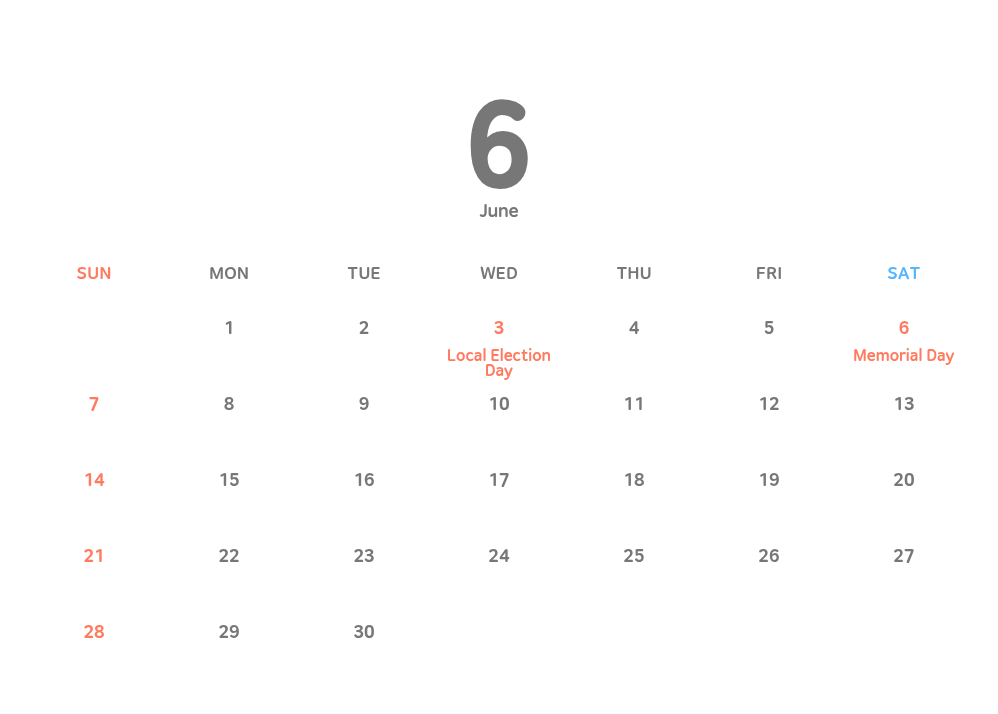
Local Election Day (June 3)
During election years, Local Election Day becomes a temporary Korean Public Holiday, giving citizens time to cast their votes. With early summer temperatures around 20–28°C, polling stations are busy but peaceful. People line up to vote, showing Korea’s strong sense of civic duty. For travelers, the day feels like any other — except for a buzz of local energy in the air.
Are things closed?
Banks and offices may close; tourist attractions remain open.
HYEON-CHUNG-IL (Memorial Day) (June 6)
Memorial Day is a solemn Korean Public Holiday that honors soldiers and patriots who gave their lives for the nation. The early summer air is warm at around 20–27°C, and the mood is quiet and respectful. Flags are lowered in remembrance, and ceremonies take place at the National Cemetery (국립묘지) and War Memorial of Korea (전쟁기념관). It’s a day of reflection and gratitude across the country.
Are things closed?
Banks and government offices close, while most shops and restaurants stay open.
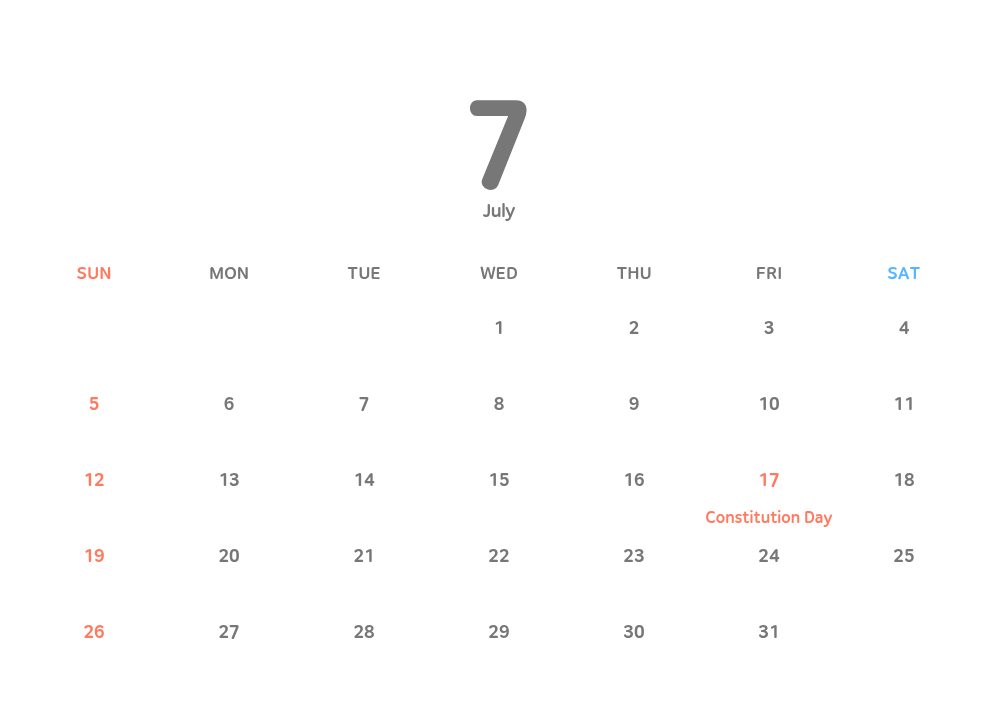
JE-HEON-JEOL (Constitution Day) (July 17)
Constitution Day is now officially recognized again as one of the Korean Public Holidays after being restored in 2026 — the first time in 18 years since its removal in 2008. It commemorates the promulgation of the Constitution of the Republic of Korea on July 17, 1948, a foundational moment for Korea’s modern democracy. In mid-summer temperatures around 25–32°C, the atmosphere is reflective yet proud, with flag-raising ceremonies, public programs, and educational events focusing on constitutional values and democratic spirit. Although traditions don’t involve large family gatherings like other holidays, many Koreans take the day to learn about the rule of law and national governance, visit civic museums, or participate in community events that honor Korea’s constitutional heritage.
Are things closed?
Banks and government offices close, while most shops and restaurants stay open.
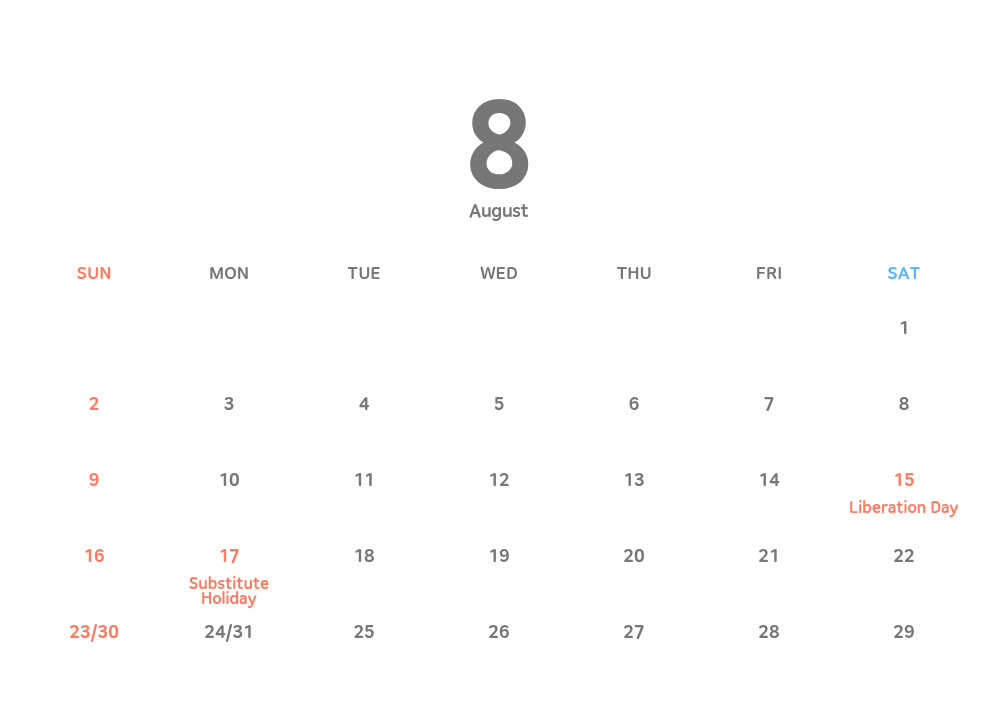
GWANG-BOK-JEOL (Liberation Day) (August 15)
Liberation Day, one of the most patriotic Korean Public Holidays, celebrates Korea’s independence from Japan in 1945. The summer heat peaks at 25–33°C, and streets in Seoul come alive with national pride. Ceremonies are held at Gwang-hwa-mun Square, while museums and cultural centers host exhibitions and performances. It’s a day when Koreans proudly remember their freedom and honor those who made it possible.
Are things closed?
Banks close, but shopping districts, cafés, and attractions stay open.
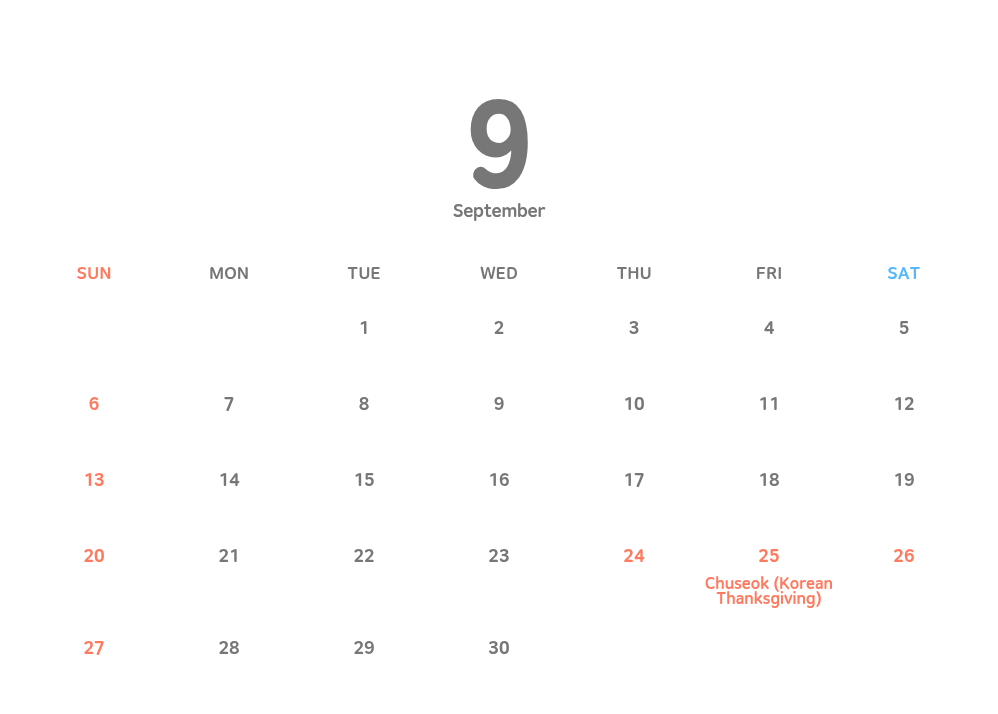
Chuseok (Korean Thanksgiving) (September 24-26)
Chuseok, another of Korea’s biggest holidays, is a time of gratitude and family. In early autumn, with mild temperatures around 18–26°C, families gather to share song-pyeon (rice cakes), perform ancestral rites, and exchange stories. Roads fill with travelers heading to hometowns, while Seoul grows quiet and calm. People wear hanbok, visit ancestors’ graves, and celebrate the harvest with laughter, food, and love. it’s the most heartwarming of all Korean Public Holidays.
Are things closed?
Many small stores close; highways and trains are very crowded.
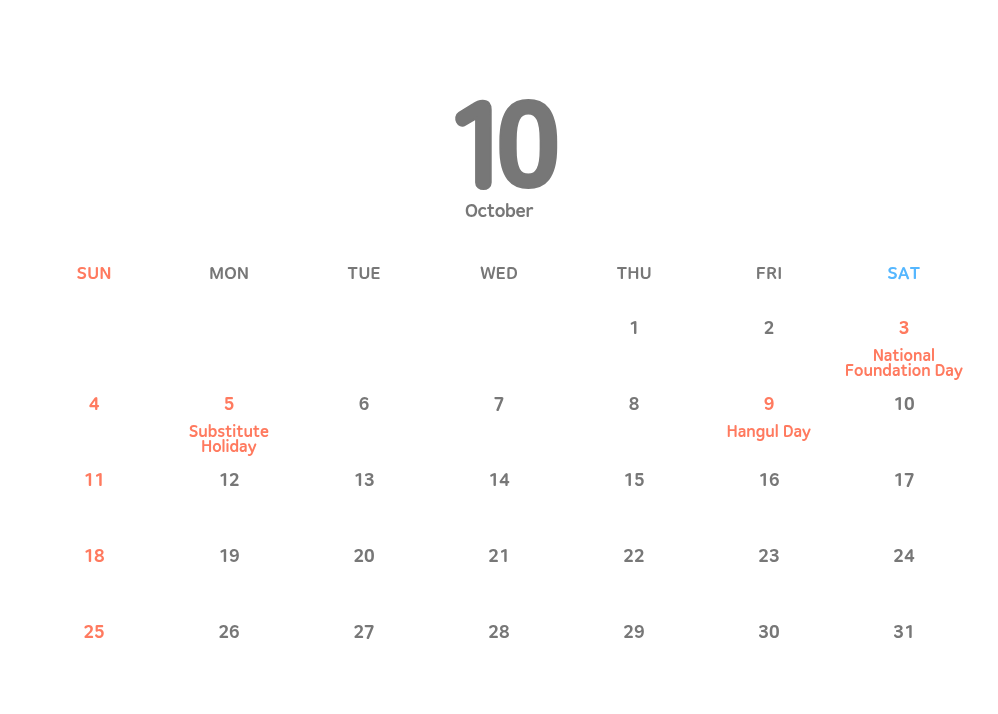
GAE-CHEON-JEOL (National Foundation Day) (October 3)
National Foundation Day is a historic Korean Public Holiday that celebrates the founding of the first Korean kingdom, Gojoseon. Autumn air is crisp and pleasant, about 15–22°C, and the country is painted with colorful foliage. Although there are no strict traditions, flag-raising ceremonies and cultural events take place across the country. Many locals enjoy hiking, visiting palaces, and admiring the vibrant autumn leaves — it’s one of the most beautiful days of the year to explore Korea.
Are things closed?
Banks close, but shops and cafés remain open.
HAN-GEUL-LAL (Korean language’s Day) (October 9)
Hangeul Day, one of the most meaningful Korean Public Holidays, honors the creation of the Korean alphabet by King Sejong. With cool weather around 13–20°C, cultural pride fills the air. Museums and schools host exhibitions about Hangeul’s brilliance, while the National Hangeul Museum and Gwang-hwa-mun Square become gathering spots for language lovers and families celebrating Korea’s linguistic heritage.
Are things closed?
Government offices close; most tourist attractions and restaurants stay open.
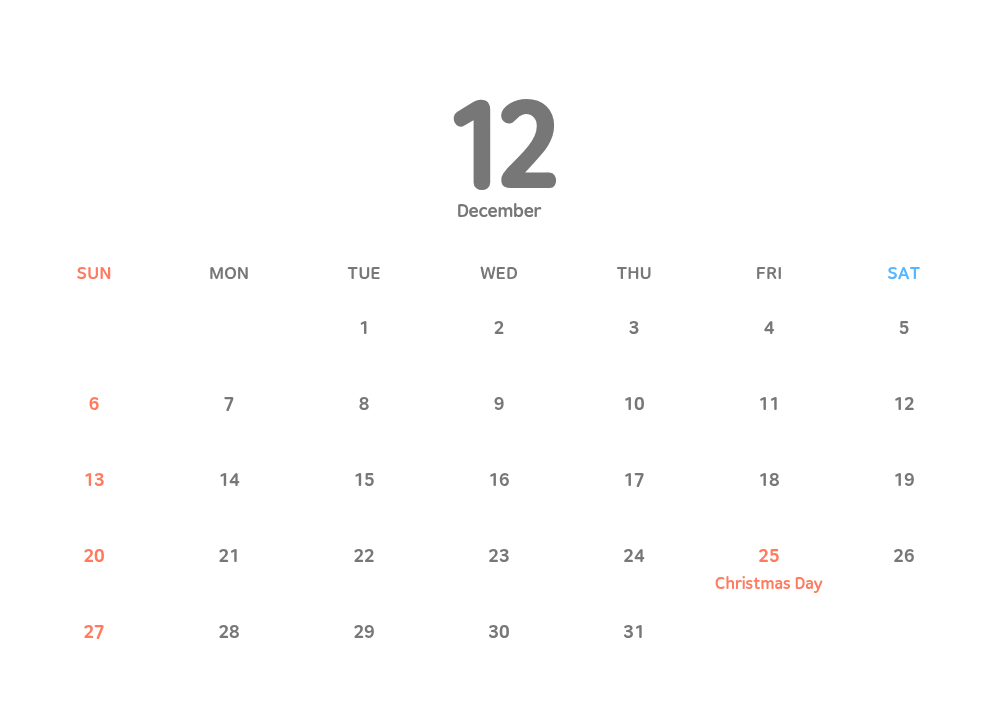
Christmas Day (December 25)
Christmas Day, one of the final Korean Public Holidays of the year, is celebrated more as a festive and romantic day than a religious one. The weather is cold, –3°C to 6°C, and Seoul twinkles with Christmas lights and decorations. Couples enjoy warm cafés, while families stroll through markets and light displays in Myeong-dong and Gangnam. It’s a cozy, joyful day that fills the city with a winter glow.
Are things closed?
Banks and offices close; most shops and cafés stay open.
Although Koreans work long hours and take relatively few personal vacations, the country is known for having a generous number of Korean Public Holidays. Each holiday adds a touch of happiness to daily life. Some bring family together, others offer reflection or celebration. For travelers, these same holidays can either enrich your trip with unique cultural experiences or bring temporary inconveniences when many shops close.
In the next guide, we’ll explore when it’s best (and worst) to visit Korea based on these holidays. This has been Seoul Mate Renny.✨